Laser cutting uses an intense laser beam to make detailed designs on materials by melting or burning them. It’s fast and creates intricate patterns quickly. Laser cutting is gaining popularity among small business owners and urban manufacturers.
In this article, we’ll find out how long a laser cutter can last, the different lifetimes of various types, and if the laser tubes wear out over time.
Why Should The Lifespan of A Laser Cutter Be A Concern?
According to LinkedIn, the US laser cutting is expected to be worth $6973.3 million by 2028. There is no doubt that laser cutting will create a huge market and profits.
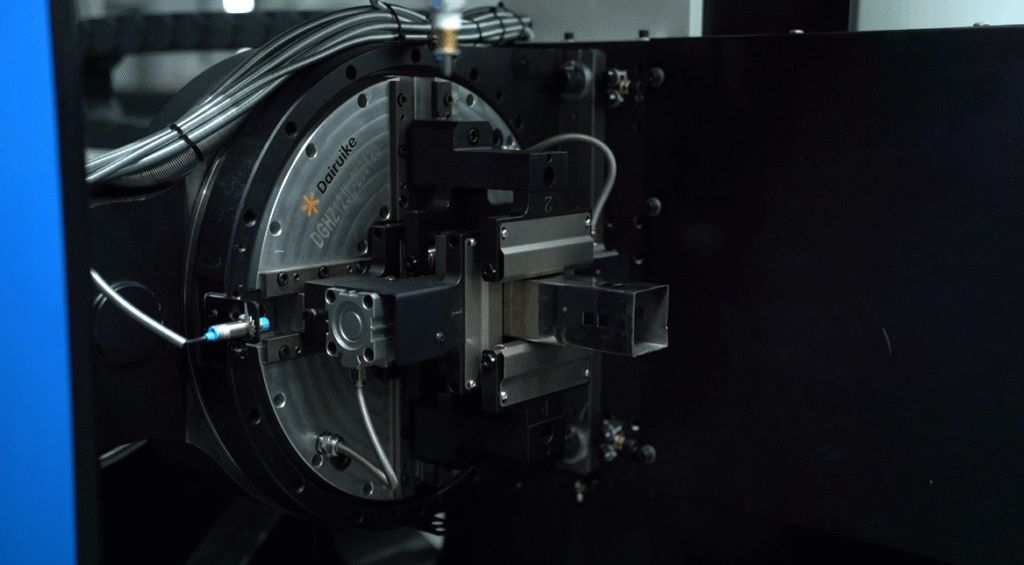
However, laser tube damage occurs over time, and their output wattage decreases. In addition, if the mirrors and lens have degenerated, a 25-watt rated tube that initially generates 32 watts may have reduced to 20 watts within five years or less. As a result of the power deterioration, you will have to lower the speed setting to compensate for the lower wattage. It will take longer to engrave a particular work than if the laser tube is new.
(You may want to understand the connection between laser cutting speed and power.)
Typically, the lifespan of these laser cutters is 10,000 to 15,000 hours. After that period, the pump diodes must be replaced so the laser cutter can work. The laser tube, power supply, and motherboard are three critical components that might fail.
For industrial buyers, cutting efficiency relies heavily on acceleration and motion systems. Baison high-speed models feature dual-platform systems with 1.5G acceleration and 100m/min travel speeds. Paired with microsecond-response algorithms, they eliminate idle delay, slashing total sheet processing cycles by over 50%.
Hardware-wise, the entire lineup locks in a repeat positioning accuracy of ±0.03mm. High-rigidity reducers perfectly match high-torque servo motors to eliminate high-speed vibration and compensation delays. This ensures high-density holes or complex path fly-cutting completes instantly in microseconds, minimizing per-part time while securing dross-free, micron-level edges.
If you face delivery bottlenecks on specific metal thicknesses, contact Baison for high-power fly-cutting data and efficiency comparison reports to unlock a direct ROI reference.
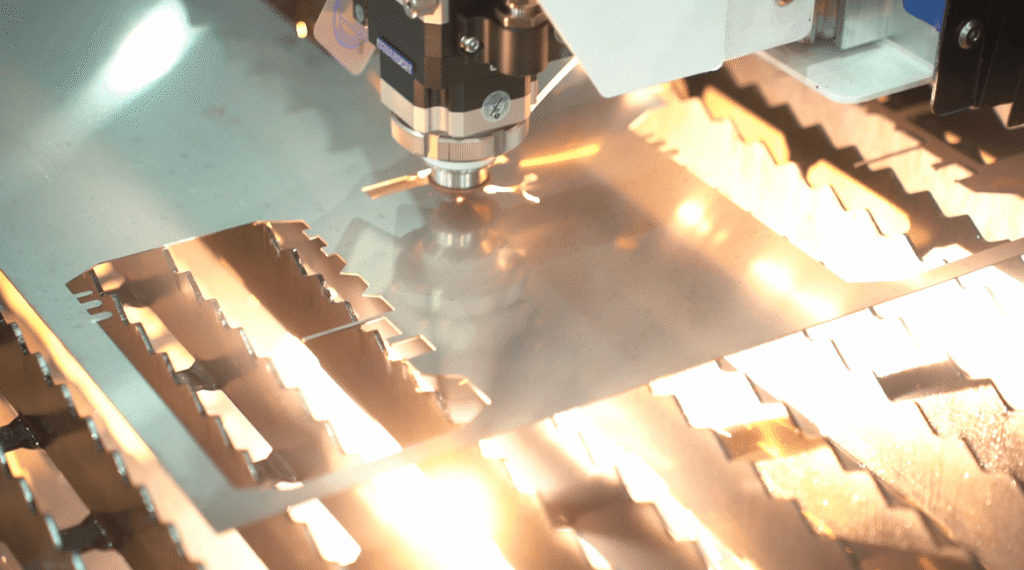
Signs of Aging In Laser Cutting Machines
Aging in laser cutting machines shows some signs. Below are some of the note-worthy signs of aging in laser machines:
1. Cutting Precision Decline
Laser cutters lose accuracy over time, leading to less precise cuts due to worn components and misalignment.
The most noticeable sign of laser cutter aging is a subtle drop in accuracy, causing out-of-round holes and assembly misfits due to long-term inertial impacts that deform beds or wear out guide rails.
To counter this, Baison uses heavy-duty welded beds treated with strict high-temperature annealing, locking in a warp-free rigid base for 10 years to maintain repeat positioning accuracy within ±0.03mm.
When minor mechanical wear occurs after years of heavy-duty operation, there is no need for disassembly. Operators simply use the built-in “Dual Drive Position Correction” feature in the CypCut control system for a one-click backend calibration. The algorithm instantly compensates for gantry synchronization errors, pulling positioning accuracy right back to its original micron-level factory state and completely eliminating any loss in profitability.
2. Component Failures Increase
Older machines experience more breakdowns caused by worn parts and electronic degradation, leading to production disruptions.
(Here are the 5 main laser cutting machine accessories you need to focus on.)
3. Overall Performance Reduction
With age, machines become less efficient, resulting in slower processing and decreased output due to wear and calibration issues.
4. Visible Wear and Tear
Signs of wear become evident, including worn cutting beds, nozzles, and mechanical parts, requiring regular maintenance.
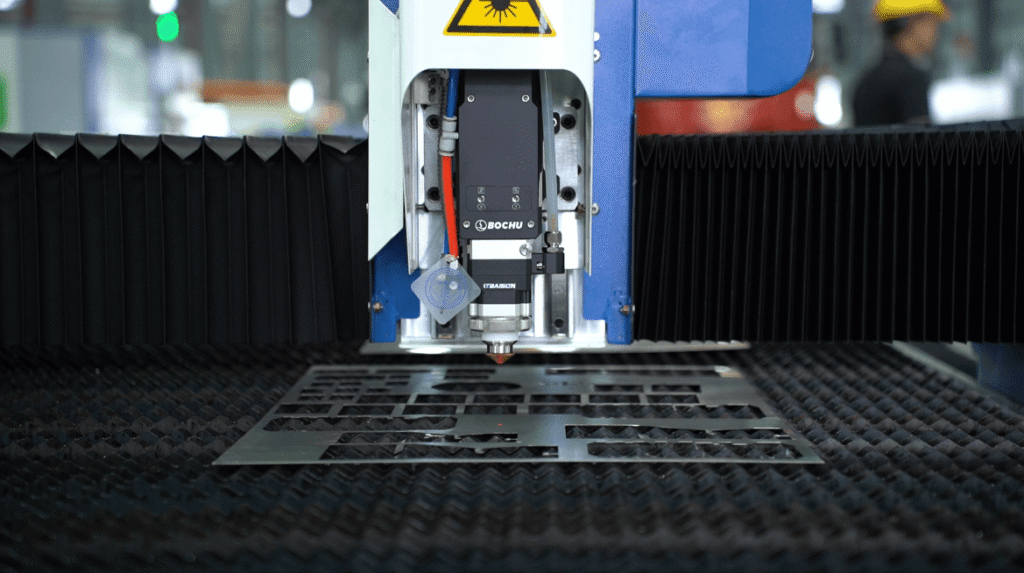
5. Increased Noise and Vibrations
Aging machines produce more noise and vibrations, signaling potential mechanical problems that need attention.
Factors Affecting The Life of A Laser Cutter
Many factors influence the life of laser cutting machines, including laser generator quality, material quality, operating circumstances, maintenance, and cleaning. These factors are explained in further detail below:
1. Laser Generator Quality
The laser generator stands as the pivotal component of the laser engraving machine. Its caliber profoundly influences the machine’s overall stability and lifespan. Top-tier laser generators often integrate superior chips and undergo stringent quality assurance measures. These generators typically boast extended lifespans and demonstrate consistent performance during operation.
2. Machine Structural Design
The structural configuration of the laser cutting machine must be meticulously devised, considering factors such as thermal expansion and mechanical deformation during operation. For instance, the machine’s laser generator and optical components generate substantial heat during operation, necessitating an efficient cooling mechanism to maintain stable temperatures.
3. Cleaning and Maintenance
Regular maintenance and cleaning play a crucial role in prolonging the lifespan of your laser-cutting machine. Tasks such as cleaning optics, inspecting electrical connections, and lubricating drive systems are essential routine maintenance activities.
Identifying and addressing potential issues promptly can prevent problems from escalating and causing more severe damage. Ensuring smooth and consistent operation over time is imperative.
4. Material Quality and Cutting Process
The requirements for laser cutting machines vary depending on the processed materials. Some materials exhibit high reflectivity and absorption, leading to increased losses in optical components and compromising the laser’s focus and output quality. Therefore, adjustments to the cutting process settings may be necessary to optimize the machine’s longevity.
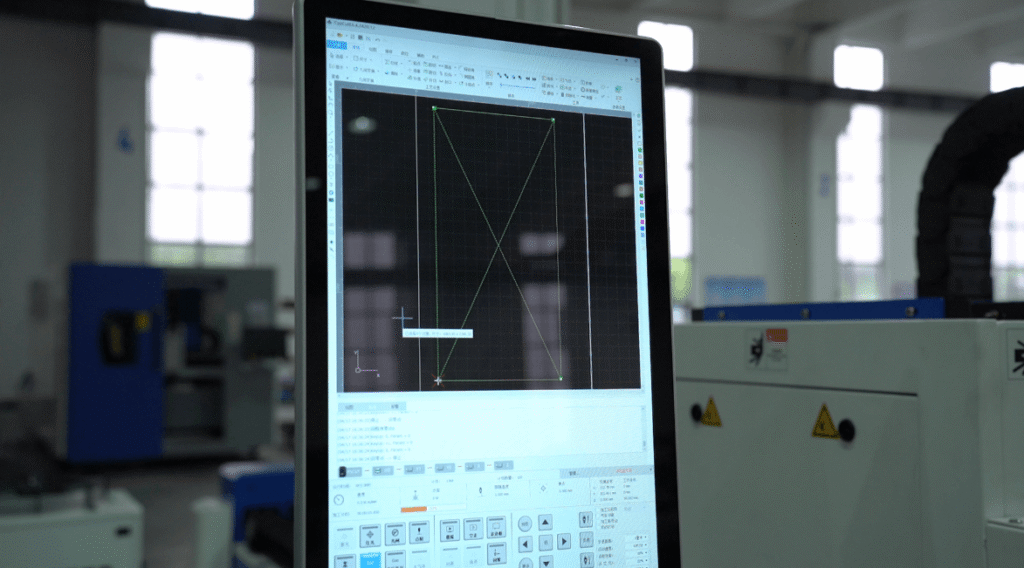
5. Conditions of Use
Regular exposure to high-intensity workloads imposes additional stress on the various components of the laser cutting machine, thereby reducing its overall service life. To mitigate this, users should strictly adhere to the manufacturer’s instructions, properly schedule workloads, and avoid prolonged overloading.
6. Operating Environment
The operating environment significantly influences the performance and durability of laser-cutting equipment. Factors like temperature, humidity, and dust levels can all affect machine functionality and lifespan. Elevated temperatures and humidity levels can cause damage and oxidation to electronic components, while excessive dust accumulation can obstruct optics and moving components.
7. Skills and Training
The proficiency and expertise of the operator play a pivotal role in extending the lifespan of laser-cutting equipment. Operators should undergo comprehensive training to acquire proficient machine operation and maintenance skills. This helps minimize the risk of machine damage resulting from incorrect operation.
Baison offers professional customer training, don’t miss this opportunity for professional advancement!
Industrial laser maintenance goes far beyond simple wiping; Baison quantifies anti-aging metrics into strict digital standards.
Industrial laser maintenance goes far beyond simple wiping; Baison quantifies anti-aging metrics into strict digital standards.
In daily operation, Baison’s dual-temperature chiller keeps temperature fluctuations within ±1°C, eliminating internal condensation inside the fiber generator. For high-frequency fly-cutting at 100m/min, the automatic centralized lubrication system uses ISO VG 68 high-viscosity guide rail oil to lube automatically every 48 hours, preventing dry friction in the gearbox. Meanwhile, the cutting head maintains a golden standoff height of 1.0mm to 1.2mm, securing microsecond response while leaving an optimal collision buffer for sensors.
For details on extending high-power equipment lifespan, Baison’s digital maintenance parameters and automatic lubrication demos offer your ultimate factory reference.
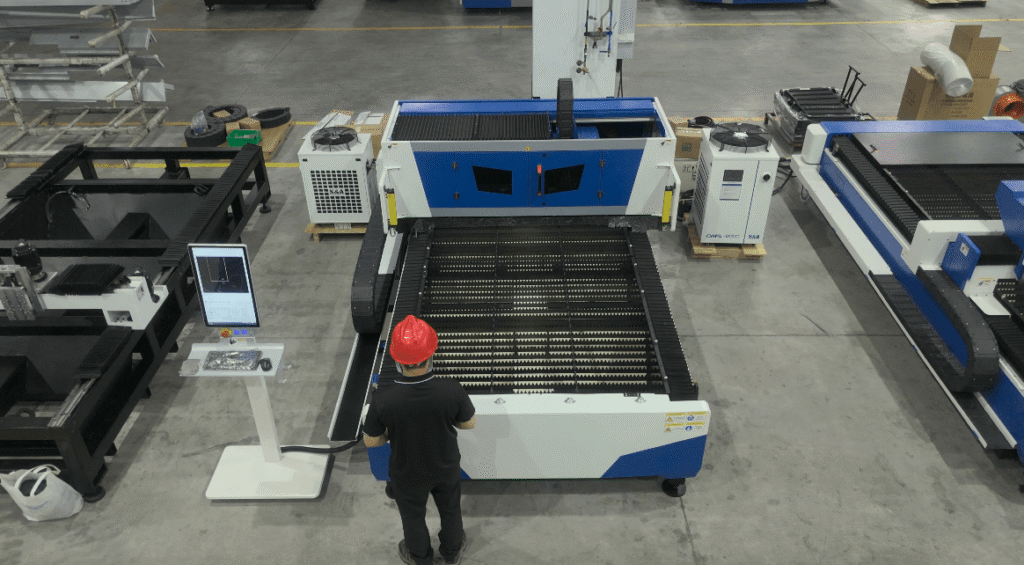
The Lifespan of Different Laser-Cutting Machines
Different laser cutters have varying service lifespans. In general, the life of a laser cutting machine is determined using the number of working hours, which is commonly expressed in hours. A high-quality laser cutter may endure tens of thousands of hours if adequately maintained.
Furthermore, lower-quality machines may break faster or deteriorate in performance. Laser cutters are commonly classified into three types. Their function and lifetime are discussed below:
1. CO2 Laser Cutting Machine
The CO2 laser cutting machine stands out for its high efficiency and affordability. Operating at a wavelength of 10.6 micrometers, it emits a beam from a laser resonator. The longevity of the CO2 laser cutting machine’s laser tube varies from 3 months to 4 years. Overdriving the laser tube accelerates its aging process, leading to a shortened service life. Typically, a 100W laser tube under regular usage has a rated life of 3,000–3,500 hours.
2. Fiber Laser Cutting Machine
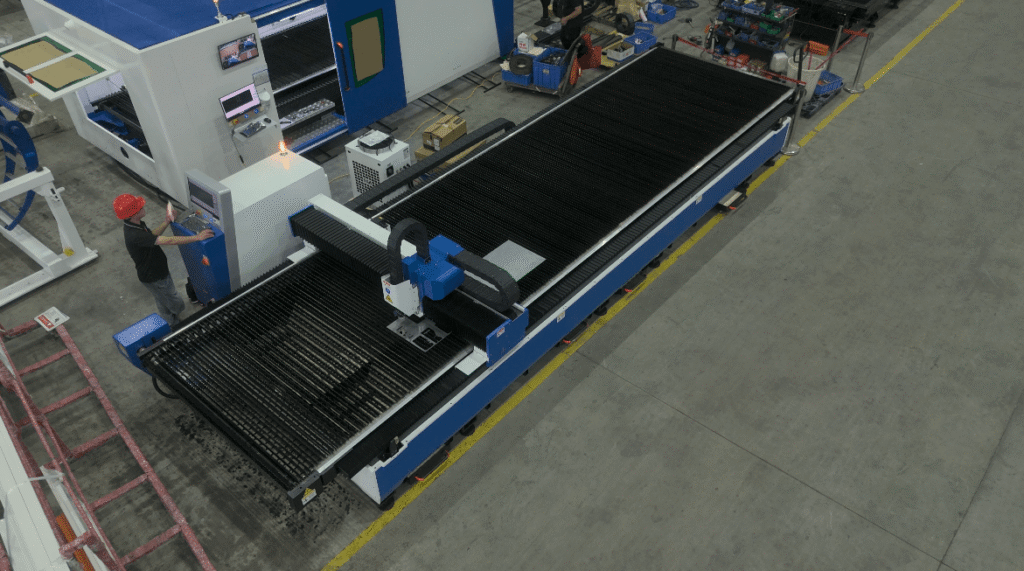
The fiber laser technology emits a beam with a wavelength of 1.064 micrometers, boasting high energy density capable of effortlessly cutting through thick and sturdy materials such as copper, aluminum, steel, and other metals.
Fiber lasers can last approximately 100,000 hours. The mean time between failures (MTBF) significantly influences the service life of various fiber laser cutters, with a higher MTBF indicating a longer-lasting laser machine.
The 100,000-hour theoretical lifespan of fiber lasers is just a baseline; B2B buyers focus heavily on real long-term ROI.
While competitors struggle with wear and tear when processing 2mm to 3mm stainless and carbon steel, Baison achieves stable mass-production fly-cutting on thin sheets using 1.5G acceleration and microsecond-level standoff control. This “full-speed fly-cutting” perfectly syncs gas switching with beam movement, completely eliminating back-spatter from traditional frequent piercing. This reduces nozzle and protective lens wear by over 30%, saving several nozzles per machine monthly. Baison’s high-rigidity body secures a long service life while doubling processing efficiency and slashing consumable costs.
If you face lead time bottlenecks in thin sheet processing, Baison offers 2mm and 3mm fly-cutting finish data alongside consumable ROI contrast statements for a direct performance reference.
3. YAG Laser Cutting Machine
YAG laser cutting machines surpass CO2 laser engraving machines in strength. According to CircuitGlobe, Nd:YAG (neodymium-doped yttrium aluminum garnet) cutters produce a robust laser beam with a wavelength of 1.064 micrometers. They enable you to cut significantly thicker and more resilient materials.
Due to their higher power, YAG lasers degrade more quickly. Typically, YAG laser cutting machines have a service life ranging from 10,000 to 15,000 hours, shorter than other laser cutters.
We have also prepared a comparison article of these three laser technologies for you to learn more about CO2 vs. fiber laser technology and YAG vs. fiber laser.
Maintenance Tips to Prolong Lifespan
Perform regular maintenance under the maintenance handbook and the manufacturer’s instructions. Regular maintenance of laser-cutting equipment primarily includes the following steps:
1. Regular Inspection
The laser-cutting machine consists of several key components. It includes the circuit, gearbox, cooling, light source, and dust extraction systems. Regular system checks are essential to prevent software crashes and prolong the machine’s lifespan.
2. Clean in Time
The intensity of the laser-cutting process continually produces fumes, smoke, and debris. Together, these cause a buildup of filth within your machine and its attachments (chiller, fume filter, etc.). This buildup can lead to system breakdowns and overheating. You surely do not want to postpone business due to a breakdown, especially one that might have been avoided.
Cleaning the laser engraving machine is the most straightforward way to extend its service life. Following each work, the operator must clean the equipment and its surroundings. Any clutter or garbage near the equipment poses a safety risk.
3. Timely Maintenance
If you want to keep the machine running steadily and for a long time, you must also perform preventive maintenance on the machine’s systems, which includes:
- The cooling system (to ensure a constant temperature effect)
- Dust removal system (to provide a dust removal effect)
- Light source system (to ensure laser beam quality)
- Gearbox system.
Preventive maintenance might help you avoid more problems with your laser beam. A laser cutter can survive for years if the components function correctly and the machine does not overheat.
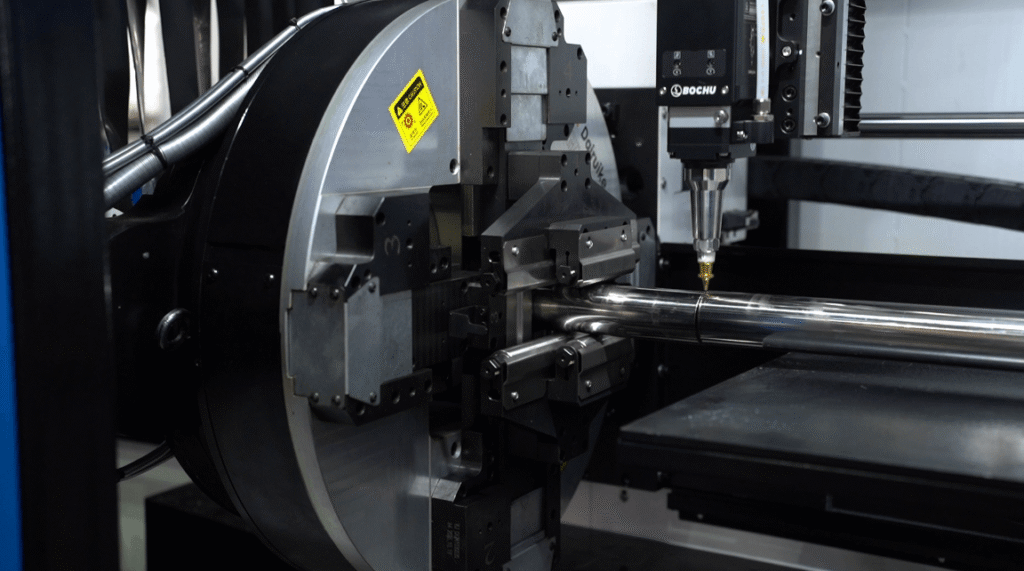
Industrial laser maintenance goes far beyond simple wiping; Baison quantifies anti-aging metrics into strict digital standards.
In daily operation, Baison’s dual-temperature chiller keeps temperature fluctuations within ±1°C, eliminating internal condensation inside the fiber generator. For high-frequency fly-cutting at 100m/min, the automatic centralized lubrication system uses ISO VG 68 high-viscosity guide rail oil to lube automatically every 48 hours, preventing dry friction in the gearbox. Meanwhile, the cutting head maintains a golden standoff height of 1.0mm to 1.2mm, securing microsecond response while leaving an optimal collision buffer for sensors.
For details on extending high-power equipment lifespan, Baison’s digital maintenance parameters and automatic lubrication demos offer your ultimate factory reference.
When to Consider Replacing Your Laser Cutter?
The following signs indicate that it’s time for you to upgrade your laser cutter:
1. Frequent Breakdowns
If it keeps needing repairs often, even after you try to fix it, it might mean it’s getting too old or worn out. This can slow down your work and cost you more money.
2. Declining Precision
Laser cutters must be precise, especially for detailed work. If yours isn’t cutting as accurately as it used to, it might be a sign that it’s not working well anymore.
3. Slower and Less Efficient
Your current laser cutter needs to meet the demand as your business grows. If it’s taking longer to cut things or not working as efficiently, it could be time for a new one that can handle the workload better.
4. Missing Modern Features
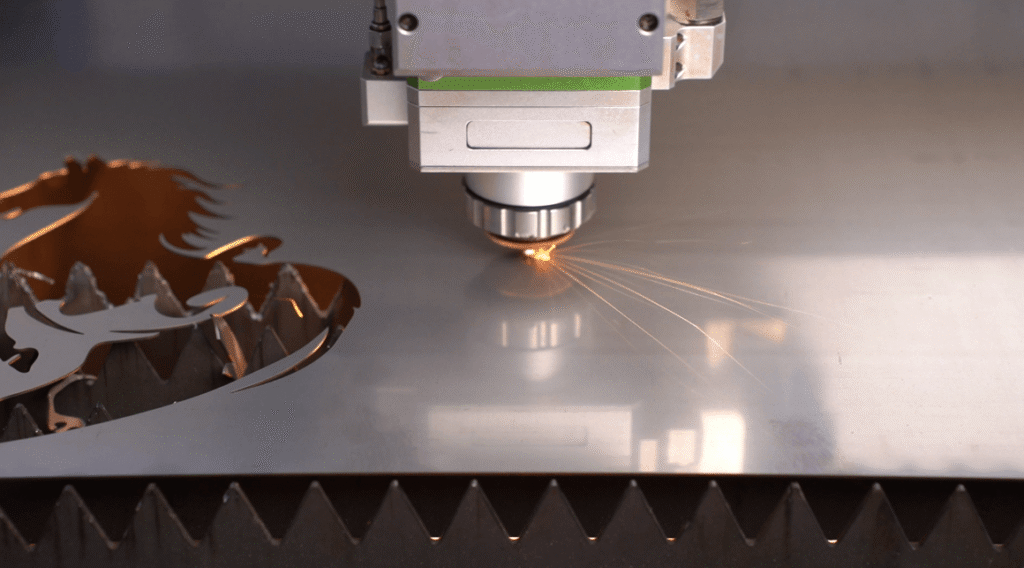
Newer laser cutters have better technology to make your work easier and faster. If your current one doesn’t have the latest features like better software or safety measures, you might miss out on ways to improve your work.
Investing in a new laser cutter might be worth it if you notice any of these signs. Upgrading can help you work better and stay competitive in your industry. When it’s time to replace your laser cutter, it’s about weighing the costs of repairs versus the benefits of getting a new machine.
FAQs
1. What is the most common selection mistake when buying a high-power laser cutter?
Focusing only on power while ignoring acceleration and bed rigidity inevitably causes the machine to drift over time.
2. Why can Baison reduce nozzle and lens wear by over 30%?
The full-speed fly-cutting process perfectly syncs gas switching with beam movement, completely preventing piercing back-spatter from burning consumables.
3. How to solve accuracy drift caused by drive component wear after long-term use?
No disassembly needed. Enter the CypCut system backend and click one-key calibration; the algorithm automatically compensates for errors to restore ±0.03mm precision.
4. How does Baison ensure its heavy-duty welded bed remains warp-free for 10 years?
The bed must undergo strict high-temperature annealing and vibration stress relief before leaving the factory, locking in physical stability from the baseline.
5. How to ensure dross-free, perfect cross-sections for high-premium metal orders?
Baison supports micron-level bright-surface cutting. However, process parameters for certain special steels require fine-tuning based on the environment; click to get a customized solution.
Conclusion
Recognizing signs of aging such as decreased precision, increased breakdowns, and inefficiencies is crucial for maintaining optimal performance. Regular maintenance and understanding when to upgrade are essential to avoid costly downtimes and to keep pace with technological advancements.
Ultimately, staying informed about your laser cutter’s condition and market innovations will help ensure your operations remain competitive and cost-effective. Investing in timely updates and replacements can save you time and resources in the long run.
Make Your Laser Cutting Better with Baison Laser!
As a trusted provider of cutting-edge laser cutting solutions, Baison Laser offers a range of high-quality laser machines tailored to meet diverse cutting needs.
We want to help you stay on top of the game! Ready to make your cutting process better? Start by asking for a quote from Baison Laser. Need personalized advice? Our experts will guide you to get the required fiber laser technology for precise cutting.