Whether operating the cooling in a fridge or scaffolding for a renovation project of an old building, cutting metal pipes or tubes is required for too many purposes. Steel and other metals are hard to cut, especially if you need to know what tool to use.
This article is about guiding you on cutting metal pipes and tubes for various purposes. It can be a fixing job, a new DIY project, or simply for industrial use. We will not only share which power tools to use for different metal pipes and tubing but also will show how to use them safely. So stick along, as we have much to share when cutting metal pipes.
The Importance of Choosing the Right Tool to Cut Metal Pipe and Tubing
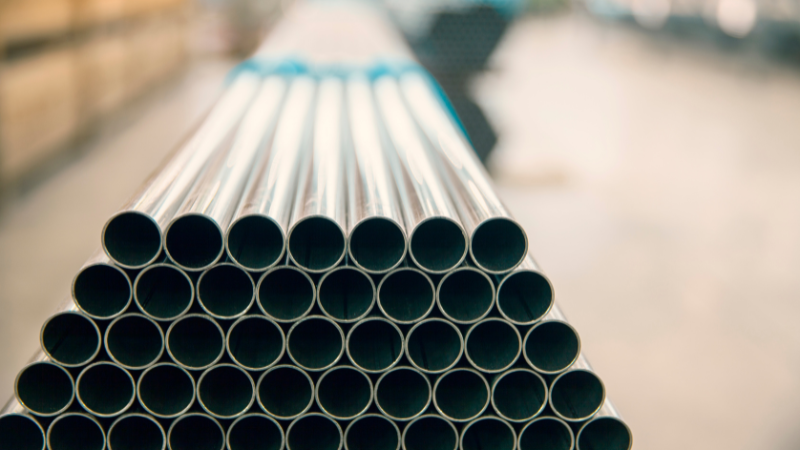
Metal pipes and tubings are hard to cut. The choice of tool depends on the thickness and diameter of the pipe, as well as the type of cut you need to make.
Tube and pipe manufacturing parts are widely used in small industrial sectors such as aircraft manufacturing, engineering machinery, transportation, petrochemical, guardrail processing industry, and farm and animal husbandry.
Choosing the right pipe cutting tools directly impacts safety, precision, efficiency, and cost. Different materials, diameters, and wall thicknesses of metal pipes require corresponding cutting equipment to avoid hazards, reduce waste, and improve quality.
Traditional tools are slow, inaccurate, and pose high safety risks; professional laser pipe cutting machines offer fast cutting, high precision, and minimal thermal deformation, making them suitable for mass production. Selecting the right equipment based on pipe specifications and processing requirements ensures operational safety, stable quality, and cost control, which is crucial for efficient pipe processing.
Why Choosing the Right Tool to Cut Metal Pipes and Tubes Is Important?
Safety: Using the wrong tool for steel and plastic pipes can be dangerous. It increases the risk of injury, and choosing the right tools for the right material minimizes accidents.
Speed: Again, the right tools for the right material speed up the process. A mechanical hand saw will take an hour to cut the steel or any metal file, while a laser cutter can cut the same within a few minutes.
Accuracy: Cutting steel pipes and tubing with the wrong tool does not give accuracy. The right tool gives a precise cut that makes a better finish in the end product.
Efficiency: The right tool saves energy and time and ensures precise and even cuts.
Cost: Using the right tool can save a lot of material, time, and labor costs.
How to Cut Precise and Even Metal Cutting?
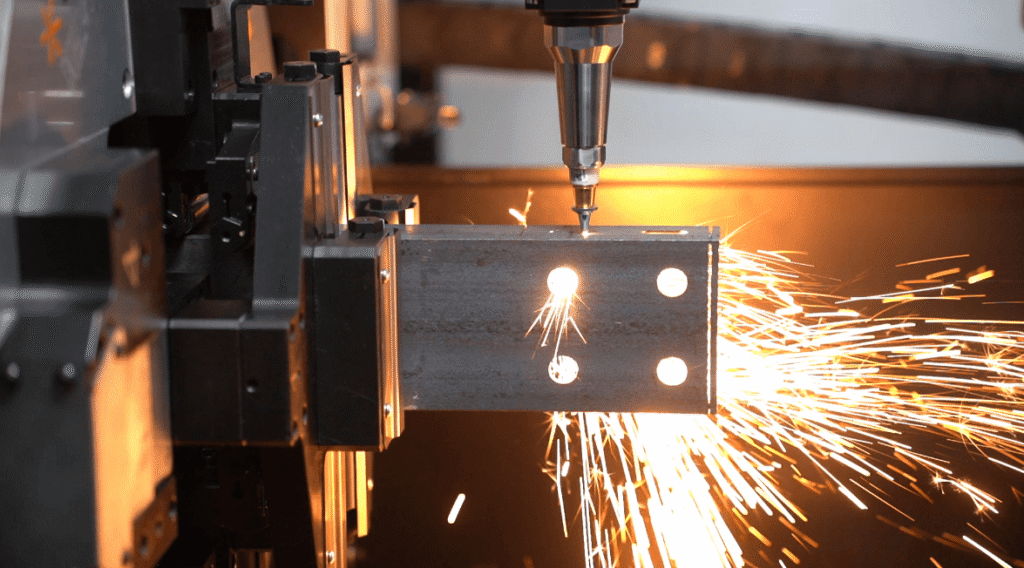
- Choose the appropriate tool depending on the type and thickness of the metal, and ensure the blades are sharp and in good condition.
- Use a measuring tool, like a ruler, and a marker to draw the cut line on the metal. Make sure the line is straight and even.
- Clamp the metal down to prevent it from moving during cutting.
- Follow the instructions for your chosen cutting tool, and cut along the marked line.
- After cutting, use sandpaper or a file to smooth out rough or uneven edges to create a clean, even edge.
To achieve precise, uniform, and burr-free cutting of metal pipes, it is essential to follow the specifications for each pipe type. First, use a specialized marking tool and marker to draw clear, straight cutting lines on the surface of the round, square, or irregularly shaped pipe.
Then, use a heavy-duty chuck or clamp to completely secure the pipe, preventing movement or shifting during processing. During cutting, strictly follow the marked path at a uniform speed. Laser pipe cutting can ensure consistency through a CNC system.
After cutting, select sandpaper or a file of the appropriate grit according to the pipe material to polish the cut and bevel, removing burrs and ensuring smooth edges to meet assembly and welding standards. Properly securing, positioning, and cleaning slag throughout the process will consistently yield high-precision cuts.
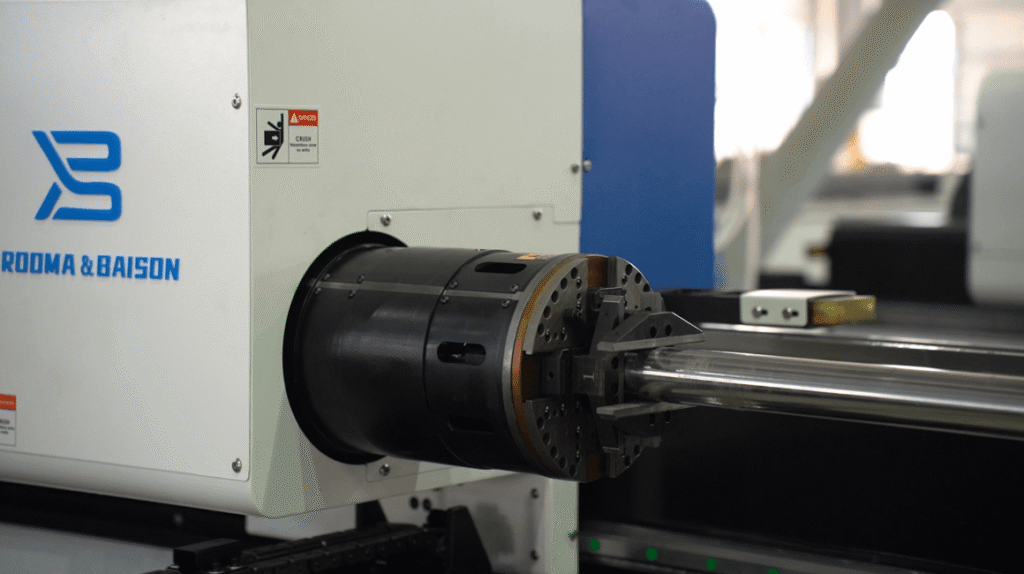
Things to Consider While Choosing a Tool for Pipe Cutting
Below is a list of some of the factors you should pay attention to when choosing a pipe laser cutting machine.
- Different tools are better suited for cutting various types of metal. For example, a small pipe cutter may be better for softer metals, while a hacksaw or reciprocating saw may be better for cutting steel pipe.
- The tool you choose can handle the size and shape of the pipe or tube you need to cut. For example, a pipe cutter may not be suitable for cutting pipes with large diameters, and a hacksaw may not be suitable for cutting tubing with irregular shapes.
- The thickness of the metal also affects the tool you should use. Thicker metal may require a more heavy-duty tool, such as a band saw and tube laser cutting machine, while thinner metal may be cut with a simple handheld cutter or a circular saw.
- Some power tools, like a pipe cutter or tubing cutter, provide more precise cuts than others, like a hacksaw or angle grinder. Depending on the application, precision may be necessary.
- Always consider safety when selecting a tool to cut metal pipes and tubing. Some tools may be more dangerous, and some may require safety equipment like gloves or safety goggles.
- Some tools are more expensive, so you should consider your budget when selecting.
Here, we have mentioned several ways to cut metal pipes and tubing. We will specify which tool works for which material, how to use it, and some safety recommendations.
I. Laser Cutters
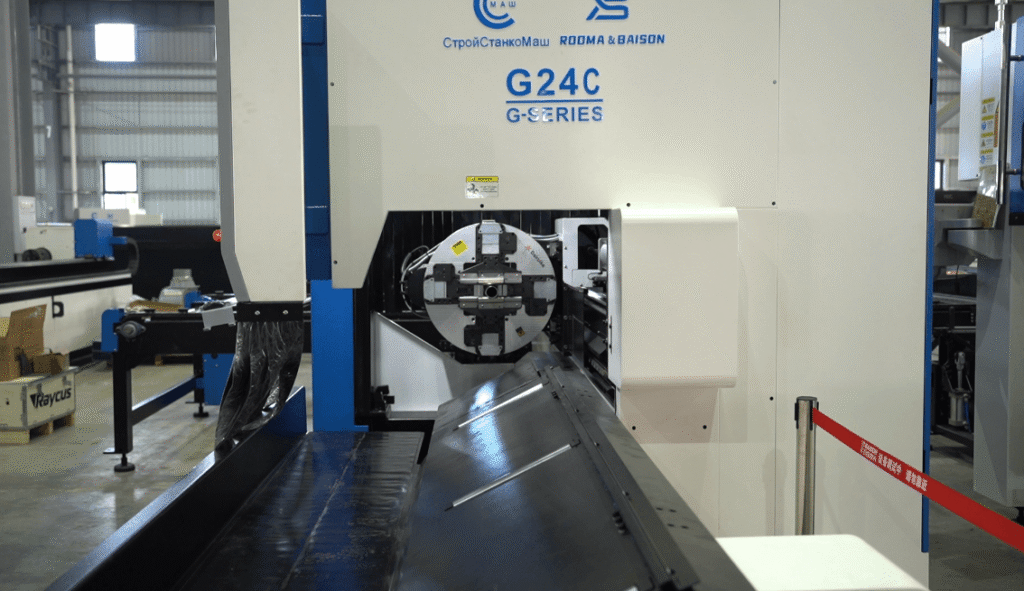
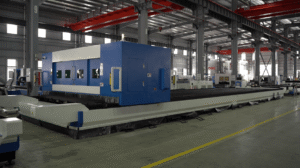
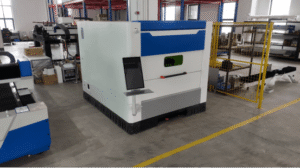
Nothing beats laser cutters when cutting steel and other hard materials for manufacturing industries. These high-end machines use laser beams to cut materials from small pipes to massive metal sheets for manufacturing purposes. These laser tube cutting machines have robust cutting power and reduce production time.
Laser cutters may be overkill for DIY projects, but their power, efficiency, and finesse are the best for small to big industrial or manufacturing purposes. These are specialized tools widely used in the sheet metal industry.
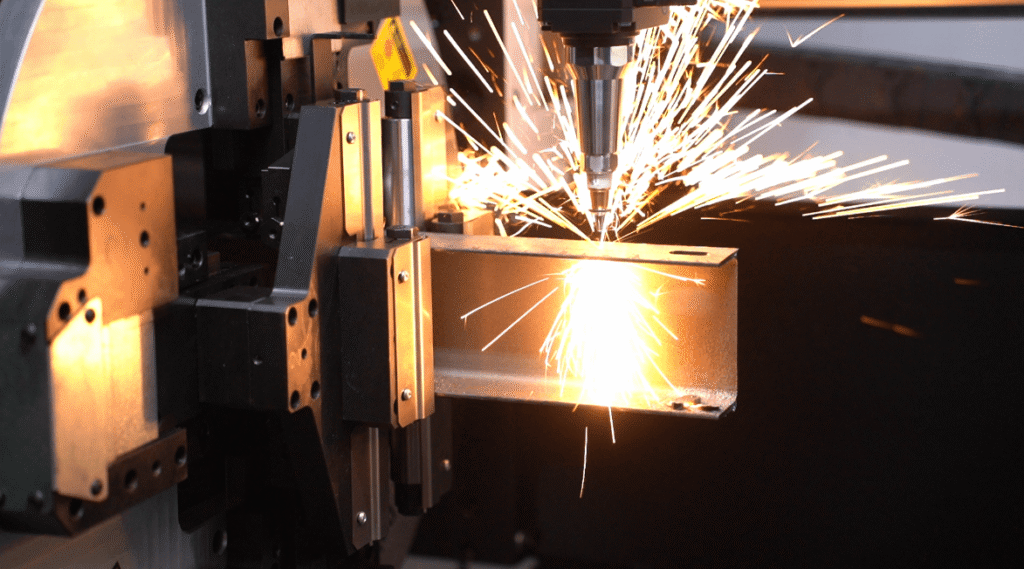
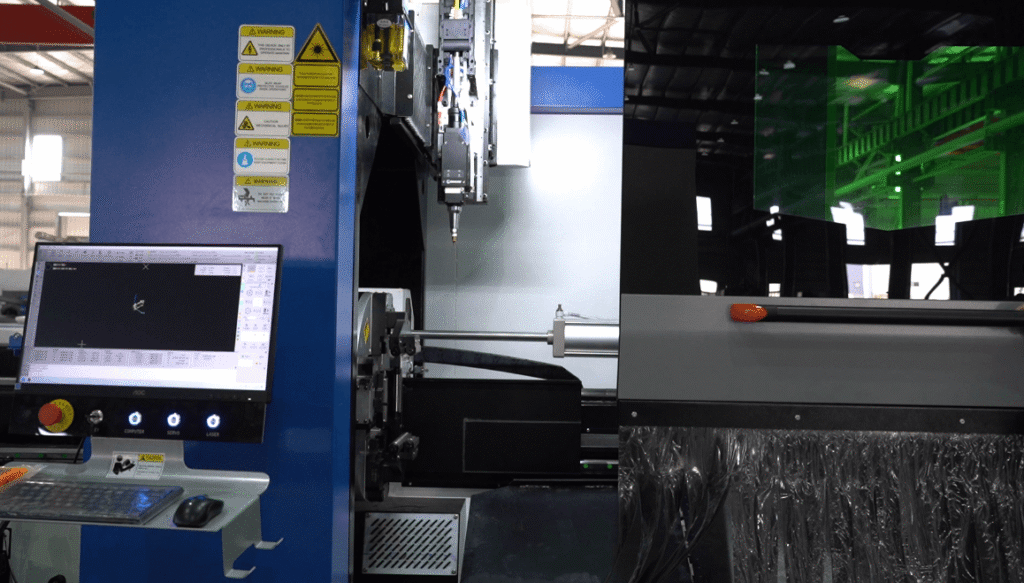
Optics and computer numerical controls directly these high-powered cutting machines to direct beams on the material. This process cuts the material to the required length and size. These machines can also cut out holes or designs in tubing for assembly. These high-powered machines can cut through any hard material, including steel or copper pipe.
Laser cutting machines also come in different varieties, such as fiber laser cutting or CO2 laser cutting machines depending on different industrial and manufacturer needs.
These are also easy-to-use and environmentally friendly machines suitable for a range of materials. These laser pipe cutting machines work for small and big industries depending on the nature of the work.
When selecting a laser tube cutting machine, one cannot simply look at the specifications; the power and configuration must be directly matched to the tube’s wall thickness, material, and production volume. In actual production, cutting 1mm thin-walled stainless steel round tubes using a 1500W–2000W fiber laser, combined with air or low-pressure nitrogen, results in high speed, a bright cut surface, and no slag buildup.
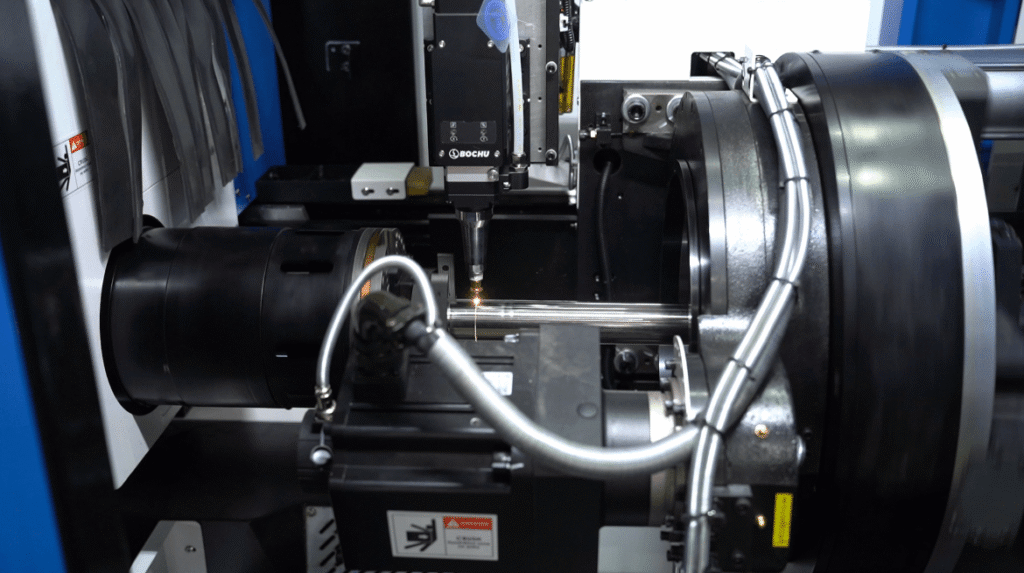
For cutting 3mm thick-walled carbon steel square tubes, 3000W or higher is recommended, using oxygen cutting to ensure penetration and perpendicularity of the cut surface. Insufficient power will result in incomplete cuts, a darkened cut surface, and low efficiency; excessive power will increase investment costs.
The core selection principle is: for thin-walled tubes, aim for a bright cut; for thick-walled tubes, aim for penetration; for batch production, aim for stable output. Combining the material, thickness, and daily output with the appropriate gas and process will ensure ease of use, gas efficiency, and high efficiency.
Things to Consider While Selecting Laser Cutting Machines
Here are a few things you should consider before selecting a laser-cutting machine:
- Laser power as it determines the speed and quality of the cutting process
- Type of metal pipes and tubing you will be cutting
- The thickness of the metal pipes and tubing
- The cutting speed of the machine
- Consider the size of the metal pipes and tubing
- The machine’s capacity, including the maximum size and weight of metal pipes and tubing
- Maintenance requirements to ensure that you can carry out the required maintenance without any difficulty
- Appropriate safety features, such as a protective enclosure, to protect the operator from potential hazards
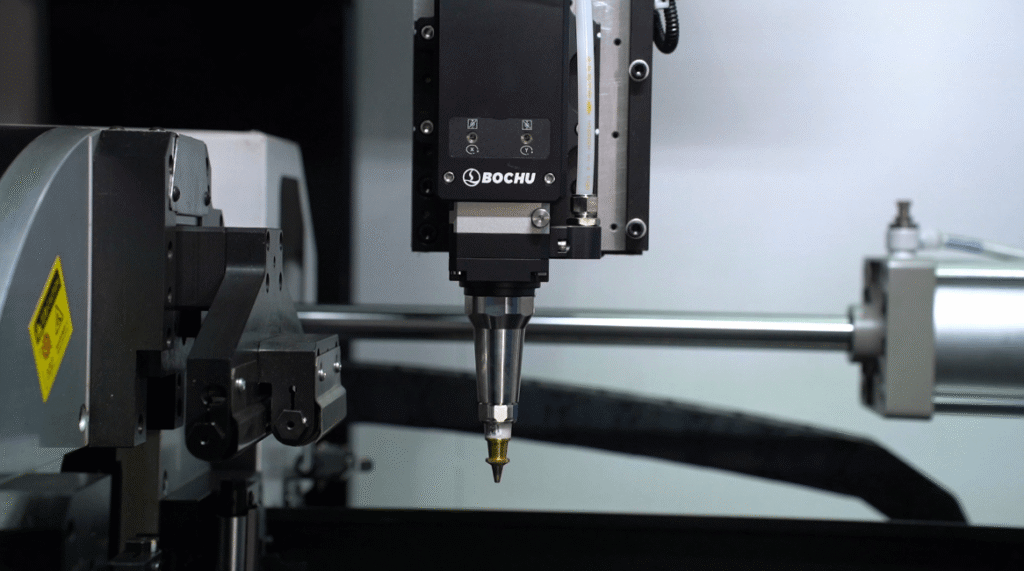
Fiber laser tube cutting machines are the mainstream equipment in the tube industry, offering high cutting speed, high precision, and minimal thermal deformation. They are suitable for various metal tubes, including carbon steel, stainless steel, and aluminum alloys.
When selecting a model, key considerations include laser power, processing range, chuck structure, and maintenance costs. Commonly used power outputs of 1500W–6000W can cover most tube thicknesses. Popular models such as the V36 series can process round tubes up to φ360mm and square tubes up to 350×350mm, supporting lengths of 6–12 meters and a single tube load capacity of up to 1000kg.
Fiber lasers are particularly suitable for high-speed, precision cutting of metal tubes, offering strong stability and simple maintenance. Routine maintenance primarily involves checking the optical path, automatic lubrication of the guide rails, and cleaning and dust prevention of the chuck. They are suitable for mass production scenarios in engineering machinery, construction, and automotive parts industries.
II. Cutoff Wheels
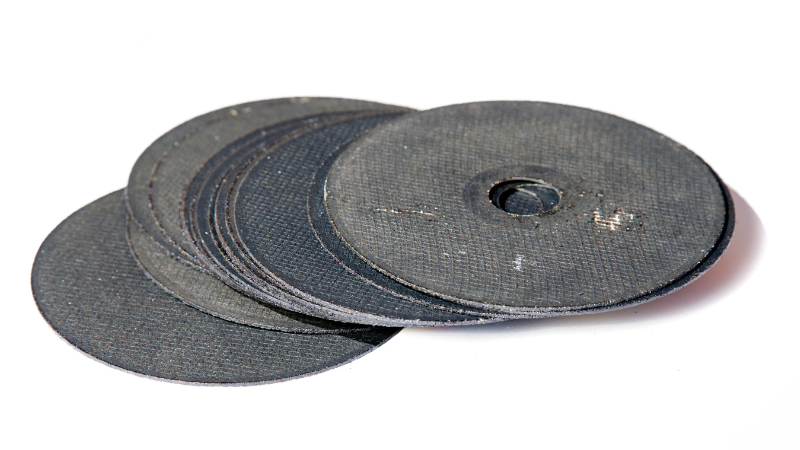
Cutoff wheels are widely used in metal processing, construction, and auto repair. They can cut most metal pipes, including steel, stainless steel, aluminum, and copper. They are often used in conjunction with angle grinders and cutting saws, relying on high-speed rotating abrasives to achieve cutting. They are easy to install and operate, and are suitable for scattered on-site operations.
How to Use a Cutoff Wheel?
- Clamp the workpiece securely, or hold it steady with a vise.
- Hold the cutoff wheel perpendicular to the workpiece and at a 90-degree angle to the cutting surface.
- Turn on the power tool and allow the cutoff wheel to reach maximum speed before contacting the workpiece.
- Gently lower the cutoff wheel onto the workpiece and slowly push it forward while applying light pressure. Please do not force the wheel or apply too much pressure, as this could cause it to break. Once you have cut through the material, please turn off the power tool and wait for the cutoff wheel to come to a complete stop before removing it from the workpiece.
- Clean up any debris or dust left from cutting, and put away your tools.
Advantages
- Clean cutting, wide material compatibility
- easy operation, quick to learn
- low initial investment, high cost-effectiveness
Disadvantages
Compared to laser tube cutting machines, the cutting wheel generates more heat, easily causing thermal deformation of the tube; accuracy and stability are significantly insufficient; cutting depth is limited; consumables wear out quickly and require frequent replacement.
There is more dust and noise during operation; the cut surface is rough and requires secondary grinding; efficiency and finished product quality are far lower than laser tube cutting machines, and it cannot meet the needs of batch, high-precision tube processing.
III. Hacksaw
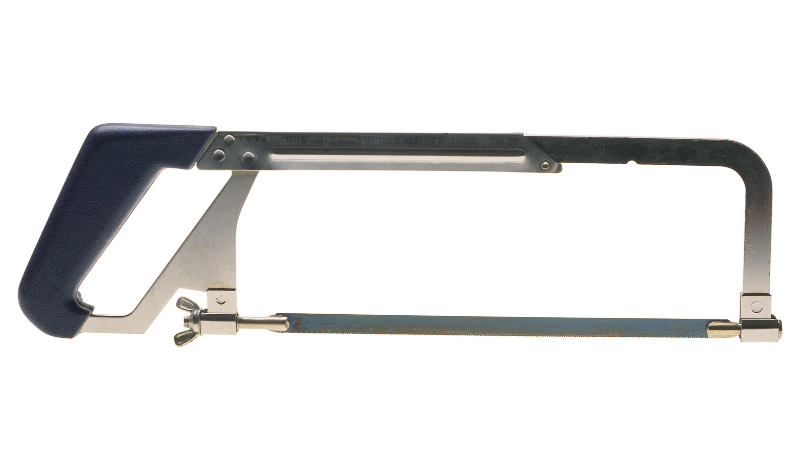
Almost every workshop needs a hacksaw. It is inexpensive, portable, and can cut various materials such as steel and aluminum. It is suitable for pipe installation, construction, or simple DIY projects in confined spaces. It requires little preparation time and has a low learning curve. When choosing a hacksaw, you can match different numbers of teeth to the thickness of the pipe. The higher the number of teeth, the smoother the cut; the lower the number of teeth, the faster the cutting speed.
How to Use a Hacksaw?
- Secure the material to a workbench or other sturdy surface.
- Measure and mark the line you want to cut on the material.
- Hold the saw with both hands, one at each end of the frame. The blade should be pointing away from you.
- Apply light pressure to the blade and cut with long, even strokes. Short strokes will make the cut uneven and may cause the blade to bend or break.
- Once you have cut through the material, release the tension on the blade and remove it from the cut.
Advantages
- Relatively inexpensive compared to other cutting tools
- Versatile for cutting a wide range of materials, including plastic, wood, and other metal materials.
- Requires minimal setup time
Disadvantages
Compared to laser pipe cutters, hacksaws rely entirely on manual operation, which is extremely time-consuming, inefficient, and produces uneven cuts with poor precision; cutting thick pipes and large-diameter pipes is very strenuous, making it unsuitable for batch processing; prolonged operation is laborious and carries the risk of accidental injury; overall performance and production capacity fall far short of industrial production standards.
IV. Steel Pipe Cutter
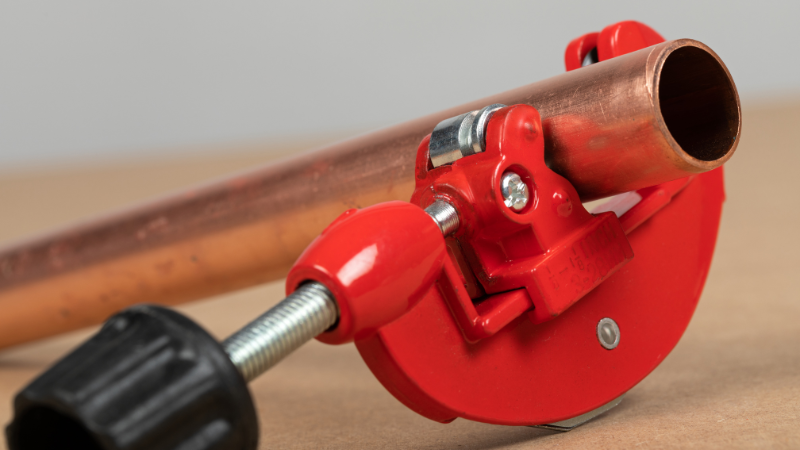
Pipe or tube cutter steel pipes or tubes are common to cut steel pipes or tubes in workshops, primarily used in workshops, DIY projects, and small-scale professional processing. It can cut steel pipes, copper pipes, PVC pipes, etc. It uses a C-shaped hard steel cutting blade, producing a square cut with a smooth surface, making it suitable for on-site processing of small-diameter pipes.
How to Use a Steel Pipe Cutter?
- Place the pipe into the cutter: Insert the pipe into the cutter’s jaws and tighten the cutting wheel onto the pipe.
- Rotate the cutter: Turn the cutter around the pipe in a circular motion, tightening the cutting wheel slightly with each rotation.
- Continue cutting until the pipe is severed: Keep rotating the cutter until the cutting wheel severs the pipe.
- Remove the cut pipe: Release the cutter and remove the cut pipe.
Advantages
- Quick and Efficient
- Clean and Precise Cuts
- Easy to Use
- Cut a wide range of metal piping and tubes, including copper, steel, and PVC.
- Lightweight and portable
- Lightweight and portable
Disadvantages
Compared to laser pipe cutting machines, steel pipe cutters have a very small cutting range, suitable only for small diameter pipes up to 76mm, and cannot process large diameter, thick-walled pipes, or irregularly shaped profiles; the entire process is manual, resulting in extremely low batch processing efficiency; there is a risk of hand pinching; the blades require regular sharpening and maintenance, and the long-term operating cost is not advantageous, making it difficult to meet the needs of industrialized, high-volume, high-precision pipe cutting.
V. Angle Grinder
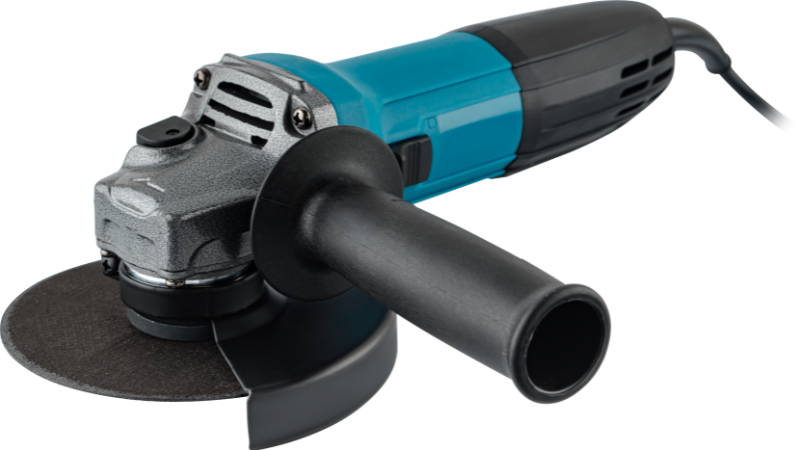
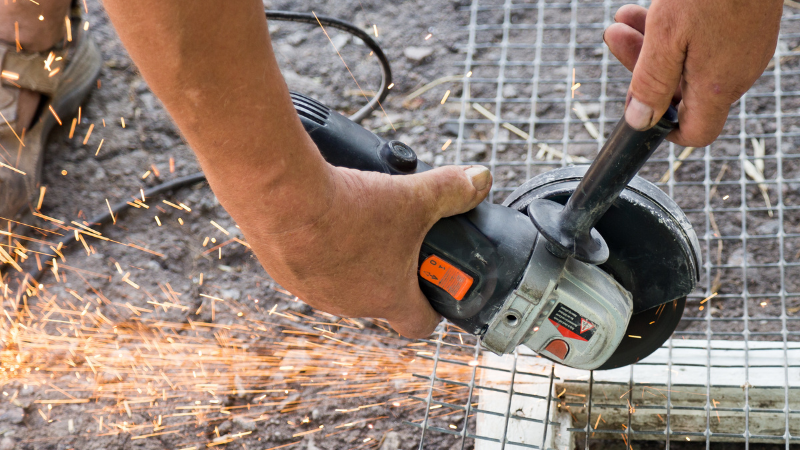
An angle grinder is another tool used to cut metal piping and tubing. It cuts through metal quickly. The power tool uses a spinning disc or abrasive wheel to cut through tough metal. The tool comes with various accessories like abrasive wheels that pin at the speed of thousands of RPMs, which is powerful enough to cut metal. However, choosing the right abrasive wheel for the type of tubing or pipes you are cutting is important.
How to Use an Angle Grinder?
- Attach the disc to the angle grinder, ensuring it is properly secured and tightened.
- The angle grinder’s guard must be adjusted to protect your hands and face from debris and sparks. Loosen the screws that hold the guard in place and move it to the desired position, then tighten the screws again.
- Plug in the angle grinder and turn it on.
- Use a steady hand and apply even pressure to the metal pipes.
- When you finish the angle grinder, please turn it off and unplug it from the power source.
Advantages
- It cuts through pipes and tubes quickly, making it an efficient tool for cutting large quantities of materials
- Available in different sizes and can be used with different types of cutting discs
- Can make precise cuts with a steady hand
- Small and portable
Disadvantages
Compared with laser pipe cutting machines, angle grinders pose higher safety risks; sparks and fragments may hurt users. They produce heavy dust, noise and vibration. Cutting accuracy is unstable with rough, easily deformed edges. Not suitable for large-diameter or thick-walled pipes, nor for standardized industrial mass production.
VI. Reciprocating Saw
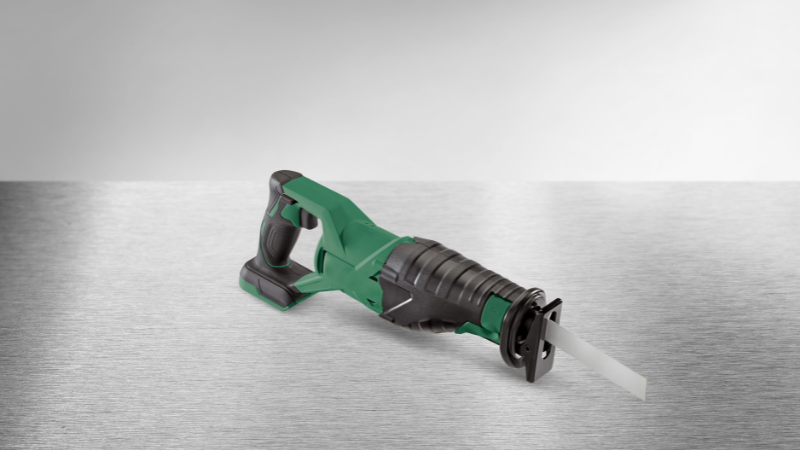
Reciprocating saw rely on the reciprocating motion of the saw blade to cut pipes. The saw blade is narrow and can enter confined spaces. It is compatible with saw blades of various materials and can cut copper pipes, aluminum pipes, cast iron, alloys, etc. It is portable and flexible, and is available in both lithium battery and plug-in models. It is suitable for rough cutting scenarios such as demolition and emergency repair.
Advantages
- Quick-release clamp for quick blade change
- Variety of Blade that cuts through almost any hard material
- Easy to Carry
- Battery-powered and cord-powered versions
- Good for both straight cuts and curved cuts
Disadvantages
Compared with laser pipe cutters, reciprocating saws deliver low precision and only rough, uneven cuts with big dimensional errors. The blade overheats easily after long use, and exposed blades bring high safety risks. It cannot ensure consistent batch cutting or industrial-level precise, smooth cuts, with efficiency and quality far below standard pipe processing demands.
Safety Tips to Use Hand and Power Tools to Cut Metal Pipes and Tubes
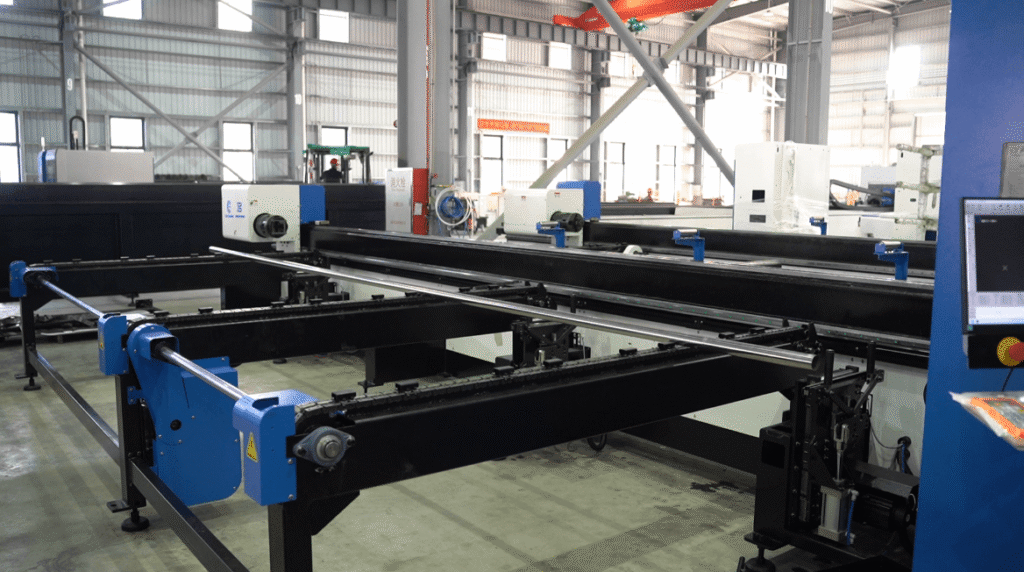
Working with metal pipes and tubing can be hazardous if safety precautions are not taken. Here are some comprehensive safety tips for using power and hand tools to cut metal pipes and tubing:
- Wear Personal Protective Equipment (PPE): Always wear appropriate PPE such as safety glasses, gloves, hearing protection, and a respirator mask. It will protect you from flying debris, sparks, noise, and harmful fumes.
- Choose the Right Tool: Select the right tool for the job. Different cutting tools, such as saws, cutters, and grinders, are used for different purposes. Use the tool that is most appropriate for the material and task at hand.
- Check Your Equipment: Inspect your equipment for damage or defects before starting any job. Ensure the metal cutting blade or wheel is sharp and in good condition. Replace any damaged or worn-out parts before use.
- Secure the Workpiece: Ensure the workpiece is securely clamped in place before cutting. This will prevent it from moving or shifting during the cutting process.
- Clear the Workspace: Clear any clutter or debris before starting. This will prevent any tripping hazards or interference with the workpiece.
- Follow Safe Cutting Procedures: Always follow safe-cutting procedures. Keep your hands and fingers away from the cutting area. Never force the tool through the material. Let the tool do the work.
- Control the Cutting Tool: Always keep control of the cutting tool. Maintain a firm grip and always keep both hands on the tool.
- Watch for Sparks: Sparks are common when cutting metal. Be aware of where the sparks are flying, and ensure they are not igniting any flammable materials in the workspace.
- Use Proper Dust Collection: Metal dust and debris can be harmful if inhaled. Use proper dust collection methods such as a vacuum or exhaust system to remove dust and debris from the workspace.
- Know What to Do in Emergency: Always be prepared for emergencies. Keep a first aid kit nearby and know how to use it. Know the location of emergency exits and fire extinguishers in case of a fire.
Benefits of Laser Cutting Machines
Precision cutting: Laser cutting machines use computer-controlled precision to cut through metal pipes and tubes. It means that the cuts are incredibly accurate, which reduces the need for additional finishing work and produces higher-quality end products.
Speed: Laser-cutting machines can cut through metal pipes and tubing much faster than power tools. It reduces production time and can increase output, which is particularly important in industries with high demand and tight deadlines.
Versatility: Laser cutting machines can cut various shapes and designs into metal pipes and tubing. It means they can be used for various applications, from simple cuts to complex designs.
Safety: Laser-cutting machines are designed with safety features that minimize the risk of injury to the operator. Unlike power tools, the operator does not need to come into direct contact with the cutting surface, which reduces the risk of accidents.
Cost-effectiveness: Although laser cutting machines are generally more expensive than power tools, they can be more cost-effective in the long run. That’s because they require less maintenance and produce less waste than power tools, which can save money on repair and disposal costs.
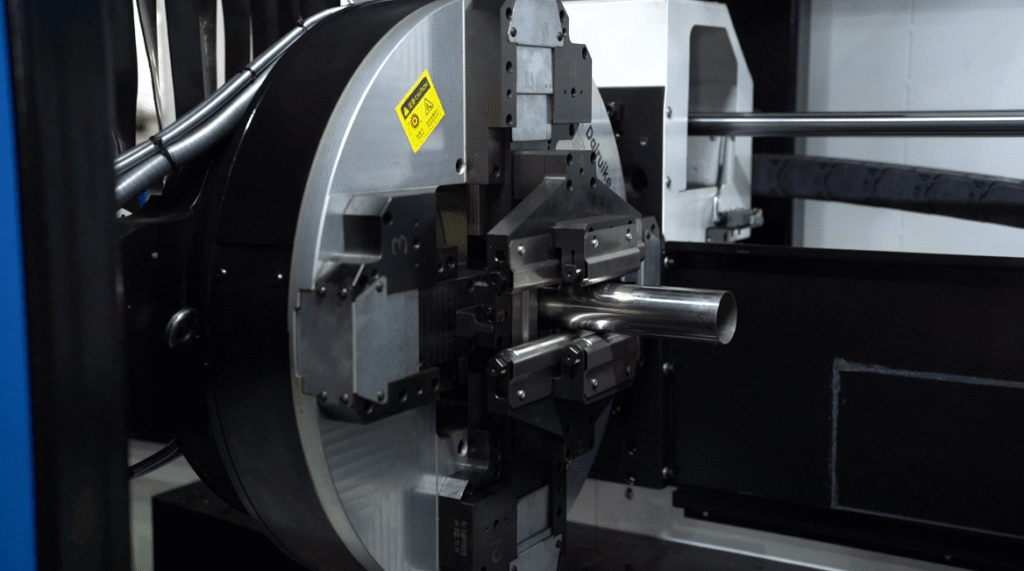
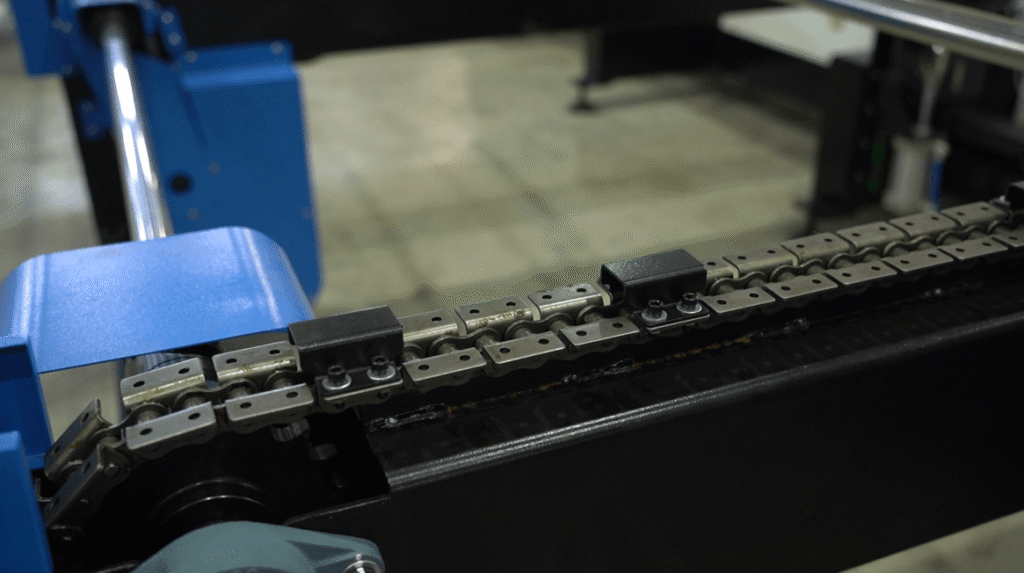
Furthermore, our laser pipe cutting machine supports professional configurations such as a fully automatic feeding system, servo-driven support, and a sealed, dustproof, heavy-duty chuck. It operates stably throughout the process with minimal vibration and consistent precision.
The equipment has a lower failure rate and a longer service life, requiring only simple routine maintenance for long-term, efficient operation. It also supports advanced functions such as beveling, chuck burn prevention, and four-chuck zero-tail cutting, significantly reducing pipe waste and secondary processing costs.
Whether it’s batch processing of small pipes or heavy-duty cutting of large-diameter, thick pipes, it can consistently improve material utilization and overall production capacity, making long-term use more worry-free, cost-effective, and more competitive for factories.
Final Words
In conclusion, cutting metal pipes and tubes can be challenging, but it can be done easily and efficiently with the right tools and techniques. Power tools such as saws and grinders can provide a cost-effective solution for cutting metal pipes and tubes for home projects or small workshops.
Laser cutters offer a more advanced solution for cutting metal pipes and tubes, with the ability to create intricate cuts and designs easily. However, laser cutters can be more expensive and require specialized training to operate safely.
FAQ
Q1:What equipment is suitable for pipe cutting? How to choose between traditional tools and laser pipe cutting machines?
Manual/power tools are suitable for sporadic repairs; laser pipe cutting machines are the preferred choice for batch, high-precision, and industrial production.
Q2:How to ensure high precision, burr-free cutting, and no deformation when cutting pipes?
Using a CNC laser tube cutting machine, combined with servo support and a sealed chuck, high-precision, heat-free, and burr-free cutting can be achieved.
Q3:Can a fully automated pipe cutting system integrate loading, cutting, and unloading?
Yes. It supports fully automated loading racks and servo-driven material handling, enabling unmanned continuous process.
Q4:What types of pipes can a laser pipe cutting machine cut?
It can cut various profiles such as round pipes, square pipes, rectangular pipes, channel steel, angle iron, H-beams, and irregularly shaped pipes.
Q5:What is the most common mistake when selecting pipe cutting equipment?
Focusing solely on price without considering power, chuck, support, and processing range leads to equipment that is incompatible with the pipe specifications.
Q6:Does the laser pipe cutting machine support customization and beveling?
Yes. Pipe diameter, length, and load capacity can be customized, and it offers functions such as V/Y beveling, intersection lines, and 3D cutting.
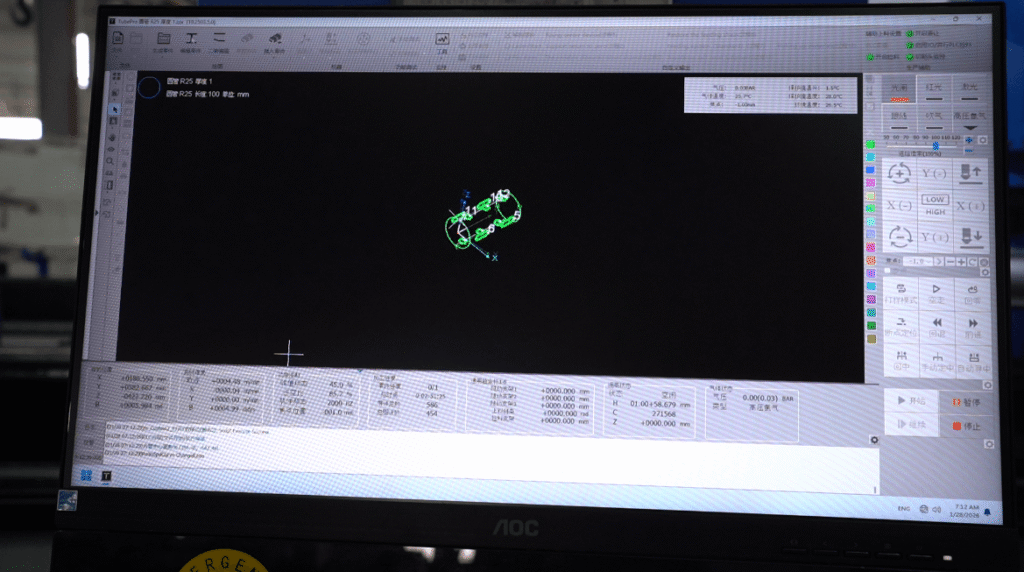
Boost Your Metal Cutting Capabilities with Our State-of-the-Art Laser Cutting Machines!
Baison offers state-of-the-art laser cutting machines that utilize advanced laser technology to precisely and efficiently cut metal pipes and tubing, providing superior results with minimal waste. Whether you’re working on a small-scale project or a large-scale production line, our laser-cutting machines are designed to meet your demands and streamline your workflow.
Don’t settle for less-than-perfect results and wasted resources. Invest in our reliable and efficient laser-cutting machines today and take your metal-cutting capabilities to the next level. Contact us today for a free evaluation of your needs, and let our expert team recommend the perfect laser system.