Key Takeaways
- Lower Floor-Space Cost: 1.3m × 1.3m compact footprint maximizes output per square foot without devouring shop floor space.
- OSHA-Aligned Safety: Class 1 fully enclosed housing eliminates extra safety barrier costs and simplifies OSHA/NFPA compliance audits.
- Ideal for Small Job Shops: Engineered for rapid deployment, prototype runs, electrical enclosure fabrication, and short-batch production.
North American sheet metal job shops face a unrelenting operational bottleneck: rising shop floor rent per square foot paired with increasingly strict OSHA and NFPA compliance inspections. Operating traditional, open-bed Class 4 laser cutters requires significant capital outlays for external laser safety barriers, dedicated enclosure rooms, heavy-duty dust collection infrastructure, and complex operator safety documentation.
Failing a safety audit means heavy fines and immediate spikes in shop insurance premiums. Furthermore, massive dual-pallet sheet metal lasers demand immense floor space that small-to-midsize job shops simply cannot spare for short-run or prototyping work.
At FABTECH 2026, Baison Laser introduced the ultimate engineering countermeasure: the M13 Fully Enclosed Single-Table Fiber Laser Cutting Machine. Designed specifically to solve space constraints and safety audit headaches, the M13 packs industrial-grade cutting precision into a ultra-compact footprint—delivering certified Class 1 laser safety that simplifies shop floor compliance out of the box.
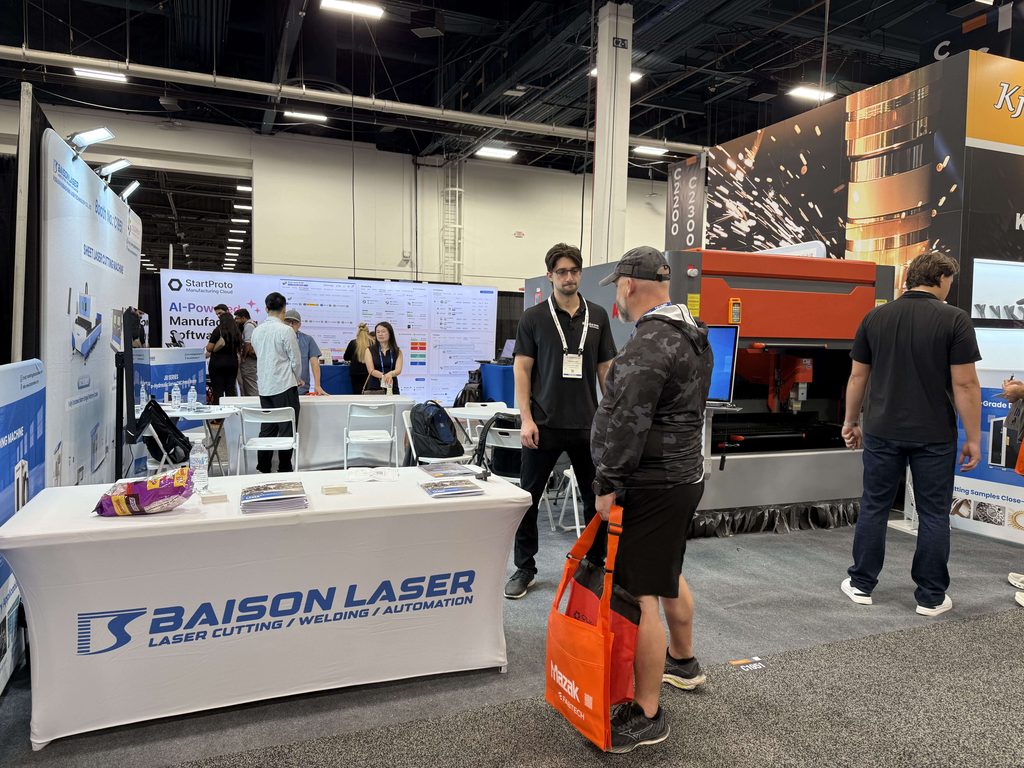
Live from FABTECH: On-Site Buyer Insights & Real-World Demands
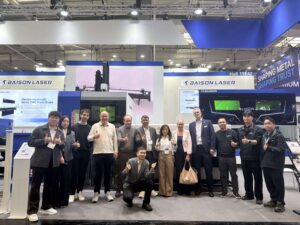
As North America’s premier metal forming, fabricating, welding, and finishing event, FABTECH drew thousands of decision-makers. Over 60% of visitors at the Baison booth (Booth C1951) were hands-on job shop owners, plant managers, and directors of manufacturing looking for practical machine upgrades rather than marketing hype.
North American Job Shop Owners
Shop managers immediately zeroed in on operational risk factors:
- OSHA Audit Streamlining: Does the Class 1 enclosure eliminate the need for secondary perimeter guard fencing?
- Facility Footprint & Noise: How much floor space does the unit take up, and can it run quietly near assembly lines?
- Dust Extraction Overhead: Can it connect directly to standard shop dust collectors without building an isolated negative-pressure room?
For budget-conscious, family-owned job shops, avoiding Class 4 perimeter safety infrastructure and saving shop square footage are direct bottom-line wins.
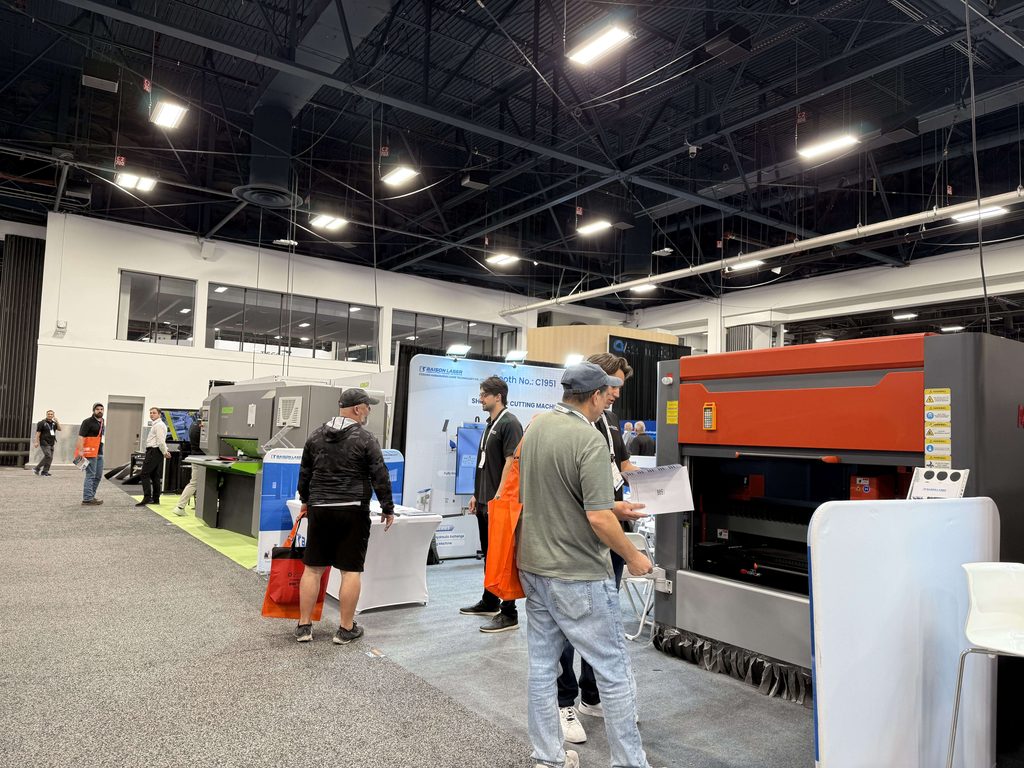
Technical Cut Validations & CAD Testing
At Booth C1951, Baison application engineers ran live test cuts using customer-supplied CAD files and challenging alloys. Visitors inspected cut edge taper, micro-joint retention, and surface roughness on thin-to-medium gauge stainless steel and aluminum. Long-term Baison machine users also visited to review multi-shift heavy-duty performance data and discuss shop expansion packages.
Distribution & Regional Service Networks
Baison’s international channel directors met with established regional machinery distributors across North America to finalize dealership agreements, local spare parts warehousing, and certified technician training protocols.
To address long-term operational peace of mind, North American fabricators can rely on Baison Laser’s Global Support Network, ensuring rapid local spare parts dispatch and on-site technical assistance to eliminate unplanned downtime.
M13 Machine Architecture & Technical Specification Matrix
The M13 is engineered around the daily realities of space-restricted job shops and high-mix, low-volume production cells. Built on a heavy-duty stress-relieved frame, it delivers uncompromised beam stability and cutting accuracy.
Looking to verify exact shop floor dimensions and foundation requirements for your facility? Read our comprehensive FABTECH 2026 Guide to Baison M13 Compact Enclosed Lasers to explore detailed layout schematics, electrical draw, and foundation specs.
| Machine Model | Processing Area (W × L) | Fiber Laser Power | Core Engineering Advantages & Features | Typical Application Scenarios |
|---|---|---|---|---|
| M13 Fully Enclosed Fiber Laser | 1.3 m × 1.3 m (4.26 ft × 4.26 ft) | Up to 6 kW | • Class 1 Enclosed Cube Design: Complete isolation of stray radiation and cutting sparks. • Pull-Out Drawer Bed: Fast, ergonomic manual loading and part removal. • Ultra-Compact Footprint: Fits easily into tight job shop bays or prototyping cells. • Plug-and-Play Mobility: Simple fork-lift repositioning and fast installation. | • Custom sheet metal chassis • Electrical control cabinets & NEMA boxes • R&D rapid prototyping • Small-to-medium batch precision fabrication |
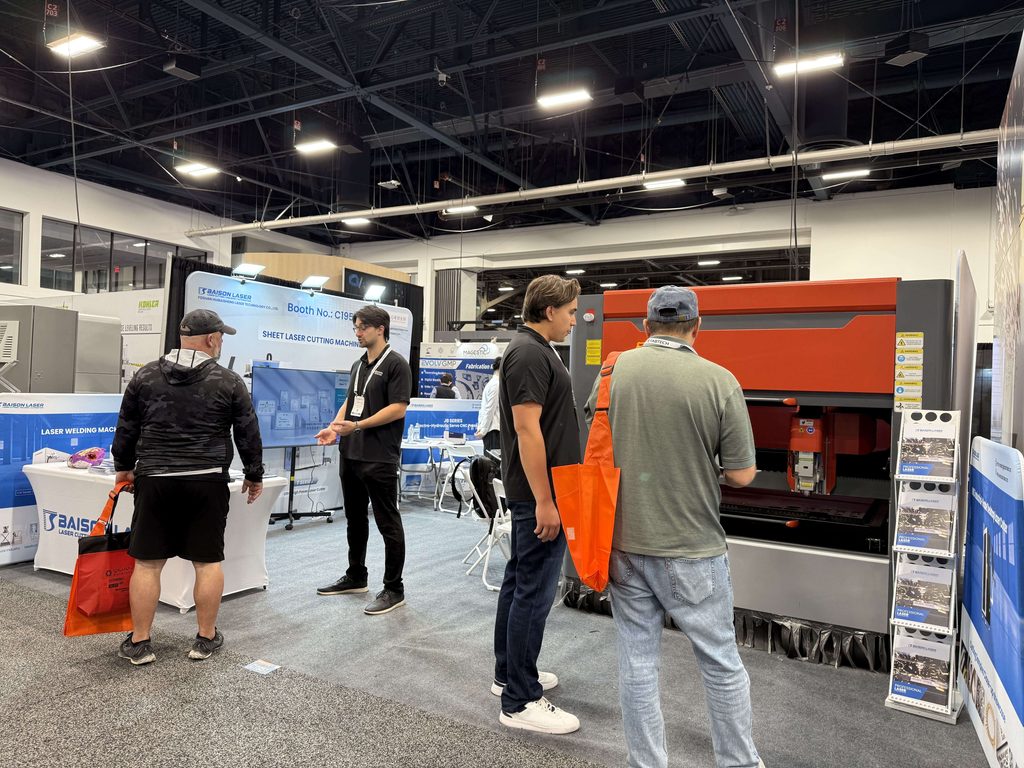
North American Industry Trends vs. Baison M13 Hardcore Engineering
Fabricators across the US and Canada are caught between two escalating cost drivers:
- Escalating Real Estate Overhead: Every square foot of shop space must generate measurable ROI. Large dual-table laser cutters often sit idle between short production runs, wasting expensive floor area.
- Strict OSHA & NFPA Safety Audits: Open-bed Class 4 lasers expose operators to stray laser beam scatter and flying debris. Mitigating these risks requires certified safety barriers, continuous operator training logs, and strict PPE protocols. Non-compliance results in steep fines and increased insurance premiums.
How the M13 Solves These Friction Points
- Class 1 Fully Enclosed Safety: The rigid enclosure completely seals off laser radiation and thermal sparks. It eliminates the need to construct standalone perimeter safety fences, drastically reducing OSHA and NFPA audit friction while lowering shop insurance liability risks.
- Ergonomic Drawer Loading: The smooth-sliding manual drawer design simplifies material handling, minimizing operator fatigue and reducing part turnover latency during short runs.
- Compact Rigidity for Clean Cut Edges: Despite its compact 1.3 m × 1.3 m footprint, the M13 features a heavy-duty structural bed that dampens high-acceleration vibrations. It outputs dross-free, clean-edge cuts across carbon steel, stainless steel, and aluminum sheet metal.
Before committing capital to any new cutting equipment, shop owners should review the 7 Costly Mistakes Sheet Metal Shops Make When Buying Fiber Lasers to avoid overpaying for unnecessary laser power or unneeded floor space.
Unsure if your shop floor layout meets Class 1 safety integration standards?
Send us your current shop floor layout and material lists. [Request a Free Facility Fit & OSHA Compliance Assessment] to discover how the M13 seamlessly integrates into your existing workflow.
Frequently Asked Questions (FAQ)
Q1: What types of fabrication facilities benefit most from the M13 compact laser?
A: The M13 is tailored specifically for space-constrained North American job shops, short-run sheet metal fabricators, electrical enclosure manufacturers, NEMA cabinet builders, and corporate R&D prototyping departments that need industrial-grade cutting precision without sacrificing shop floor space.
Q2: Does the M13 Class 1 enclosure really reduce OSHA compliance workload?
A: Yes. Because the M13 ships as a fully certified Class 1 laser system, it contains all laser radiation and cut sparks inside the machine housing. Unlike open-bed Class 4 machines, it does not require secondary perimeter safety fencing, specialized laser safety room construction, or extensive safety documentation—significantly easing OSHA on-site safety audits.
Q3: Does the M13 require a dedicated, isolated dust collection room?
A: No. The fully enclosed cutting chamber features integrated, high-efficiency exhaust ducts that connect directly to standard industrial dust collectors. This eliminates the massive cost of building isolated negative-pressure ventilation booths required by open-bed cutters… However, depending on whether you process heavy aluminum vs. galvanized steel, specific ducting configurations apply. [Ask a Baison Engineer about Optimal Dust Collection Setup]
Q4: Can the M13 integrate with automated material loading systems?
A: The M13 is engineered with pre-configured signal interfaces for modular automation upgrades… Want to know if your existing shop loading system can pair with the M13 drawer architecture? [Contact Our Automation Team for Interface Specifications]
Q5: What metal materials and maximum thicknesses can the M13 handle?
A: Equipped with fiber sources up to 6 kW, the M13 effortlessly cuts carbon steel, stainless steel, aluminum, brass, and copper… Curious about exact cut speeds and maximum gauge limits for your specific material grade? [Request the M13 Material Cutting Speed Chart]

📌 Event Schema & Exhibition Profile
- Event Name: FABTECH 2026
- Dates: October 21 – October 23, 2026
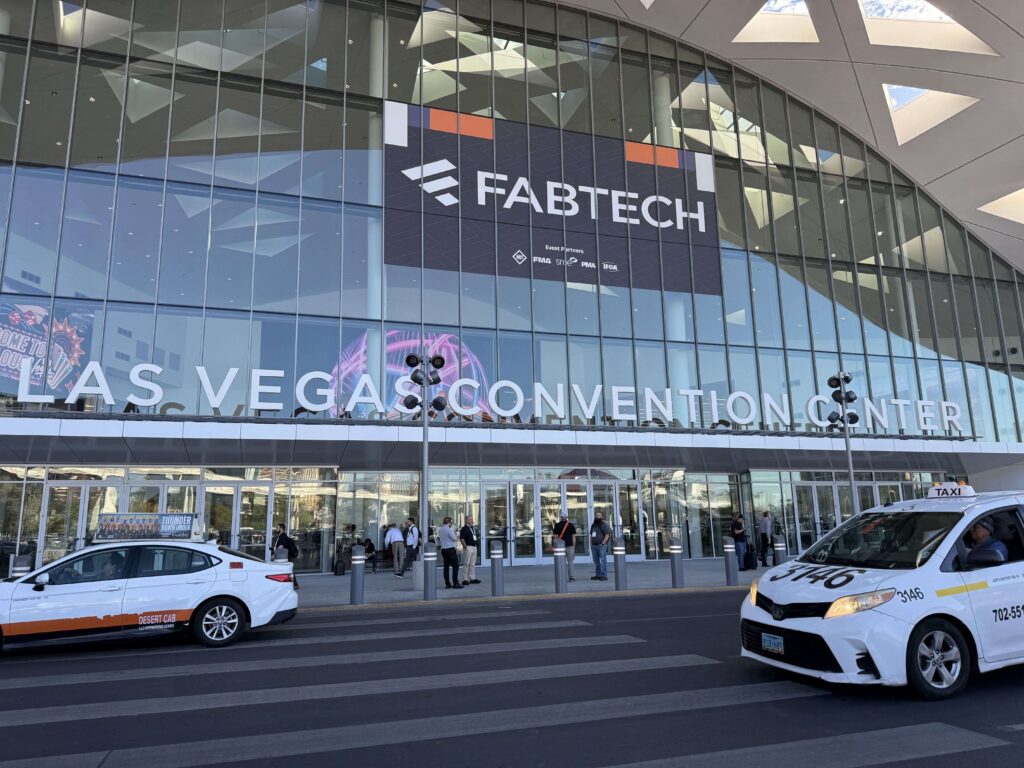
- Venue: Las Vegas Convention Center, Las Vegas, Nevada, USA
- Baison Booth: Booth C1951
Take the Next Step: Upgrade Your Shop Floor Efficiency
Ready to eliminate shop space bottlenecks and simplify your safety compliance?
[Submit Your Part DXF Drawings & Material Specs Today] for a complimentary cutting time trial, custom ROI analysis, and tailored machine configuration report from Baison Laser engineers.