Laser cutting has revolutionized how we shape and customize materials, and its precision and efficiency are unparalleled in acrylic and plexiglass. This guide will delve into the art of laser cutting these materials, providing valuable insights and practical tips. Whether you’re a seasoned professional or a beginner, you can benefit from this guide.
What is Laser Cutting?
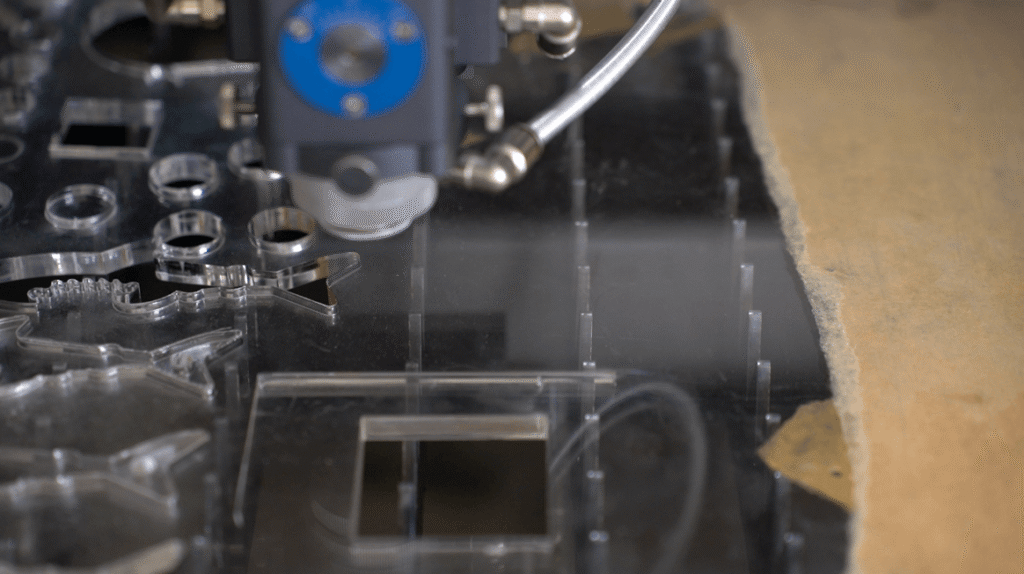
Laser cutting is a precise technique that uses a laser ray to cut through different materials. It is more accurate than traditional cutting methods because it melts or vaporizes the material, leaving a clean cut.
Laser cutting machines, also known as laser cutters, are used for various purposes like processing, engraving, and creating intricate designs. They use a focused laser beam that can be controlled very precisely.
Compared to traditional cutting methods, laser cutting has many advantages. It is exact and great for detailed cuts and delicate designs. Lasers can be cut through various materials like acrylic, wood, metal, and fabric, making them useful in manufacturing, signage production, and hobbies.
When using lasers for cutting, it’s essential to consider the concept of “laser kerf“.Laser kerf refers to the width of material that is removed during cutting. It’s crucial to remember this when designing projects requiring precise measurements.
Benefits of Laser Cutting Acrylic and Plexiglass
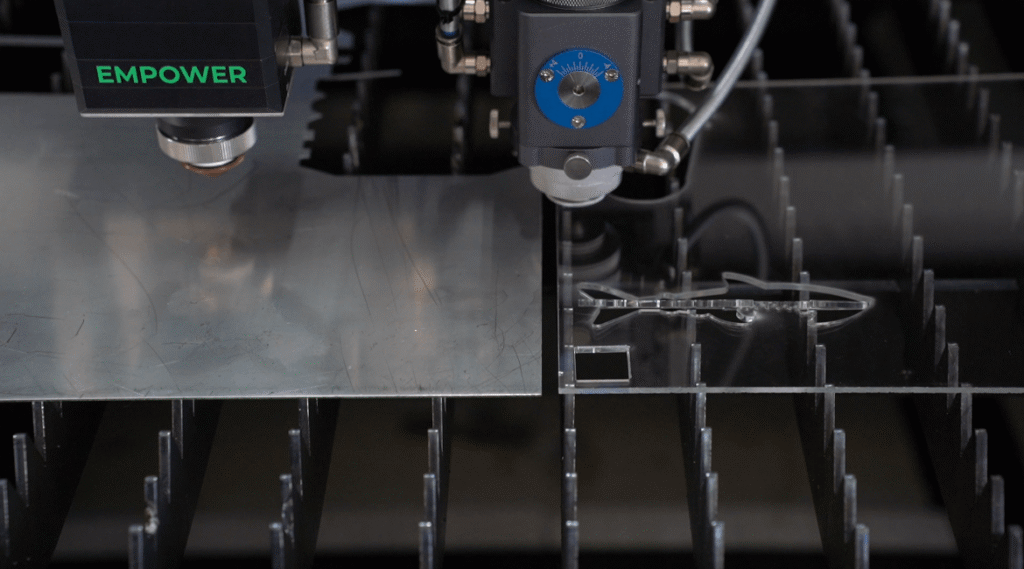
Compared to conventional cutting methods, laser technology has numerous advantages for cutting plastic sheets, including acrylic cutting and plexiglass cutting. Let’s delve into the various benefits that this craft machine engraving method offers.
- High accuracy: Laser cutting has higher precision and can achieve precise cutting. Traditional cutting methods often create minor errors in the cutting process, while laser cutting is based on laser beams that accurately target the cutting position, resulting in higher precision.
- Fast cutting: Laser cutting is faster than traditional cutting methods and can quickly complete the entire cutting process. Traditional cutting methods often require adding some material to the material or other methods to achieve cutting, while laser cutting can directly cut the material, saving time and costs.
- Industrial level: Laser cutting is an industrial-level cutting method with advanced equipment and technology that can better satisfy industrial needs. Applying automated equipment can achieve high-efficiency production processes and improve production efficiency and product quality.
- Environmentally friendly and sustainable: Laser cutting is more environmentally friendly and sustainable than traditional cutting methods, as it does not require chemical materials to achieve cutting, thus having a smaller impact on the environment. In addition, laser cutting can efficiently use energy, reducing energy consumption and emissions and achieving both economical and eco-friendly production.
- Clear-cutting results: Laser cutting can produce clear-cutting results, with the cutting surface being flat and smooth, allowing for easier subsequent processing such as painting, edge band, etc.
In the premium acrylic processing sector, slogan-based marketing has completely lost its edge; instead, B2B buyers demand hard data and tangible returns. Driven by real performance indicators, the Baison Industrial CO₂ Laser Cutting Machine completely redefines the delivery standards for high-transparency acrylic:
- Breakthrough Cutting Speeds: Empowered by high-power configurations ranging from 150W to 400W, our systems consistently achieve a rapid feed rate of 450–600 mm/min when cutting 10mm thick acrylic. Even when tackling heavy-duty 20mm thick sheets, they maintain a highly efficient advance speed of 120–180 mm/min.
- Crystal-Clear Flame-Polished Edges: Leveraging intense energy density, the material undergoes instant vaporization followed by flawless natural leveling. The resulting cross-section is strikingly transparent and striation-free, achieving a premium “mirror-like” finish directly off the machine without any secondary polishing.
- Taper Controlled Within 1°: Thanks to our high-rigidity chassis and precision transmission systems, the cut edge taper is strictly restricted to under 1°, completely eliminating bottom dross, burrs, and ripple effects.
High Commercial ROI: This “all-in-one” single-pass processing eliminates expensive manual secondary polishing labor, effectively slashing post-processing time by 35%. If your workshop is currently struggling with yellowed cut edges or bottlenecked polishing efficiency, we warmly invite you to send your materials to Baison for live sample testing—let our real-world ROI data clear up your bottom-line benefits!
Choosing the Right Laser Cutter
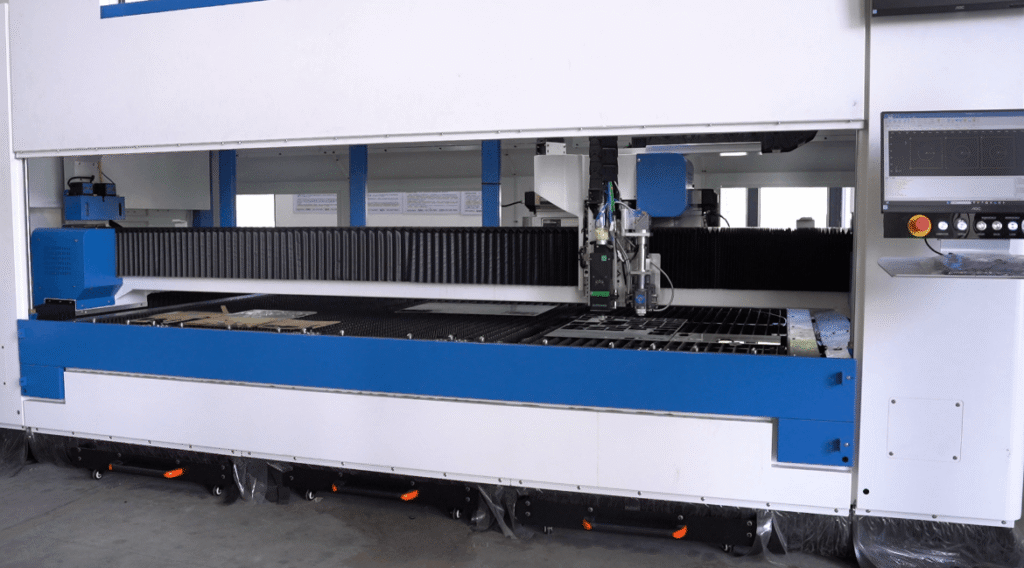
Choosing the appropriate laser cutter machine is essential for achieving a prosperous laser-cut acrylic endeavor. Consider the following important aspects: machine parts, sheets, and inches.
Power Requirements
The laser power required for cutting acrylic or plexiglass sheets depends on the thickness of the material. Laser power requirements vary depending on whether you’re cutting thicker sheets of acrylic or plexiglass. To ensure satisfaction, choosing a laser acrylic cutter with enough power for the parts you are working with is important.
Precision Control
Intricate designs require precise control. Look for a machine with excellent precision control to achieve intricate and detailed cuts on colored plexiglass and acrylic parts. This will allow you to bring your creative ideas to life using versatile and durable acrylic material.
Easy Setup Features
Streamline your workflow by opting for a machine with convenient features like autofocus or adjustable bed height. These functions simplify setup and save valuable time during the preparation process for working with colored plexiglass, acrylic parts, and inch measurements.
When browsing for suitable options for machine-made acrylic parts, keep an eye out for terms such as “laser engraver,” “CNC laser,” or “fusion maker.” These keywords can help you find relevant colored acrylic or plexiglass that meet your requirements, whether for a one-inch or larger size.
When comparing different models of laser cutting machines, consider factors like engraving speeds, type of CO2 wattage, and the quality of the machine parts. These specifications can significantly impact the efficiency and quality of your projects, especially when working with colored acrylic parts made from acrylic material.
When cutting acrylic or plexiglass, it is important to consider the power requirements, precision control, and ease of setup of the laser cutter machine. You can confidently select the perfect laser cutter machine for your acrylic cutting needs by carefully evaluating these factors. This versatile tool can unlock creativity and explore endless possibilities with precision-cut acrylic parts.
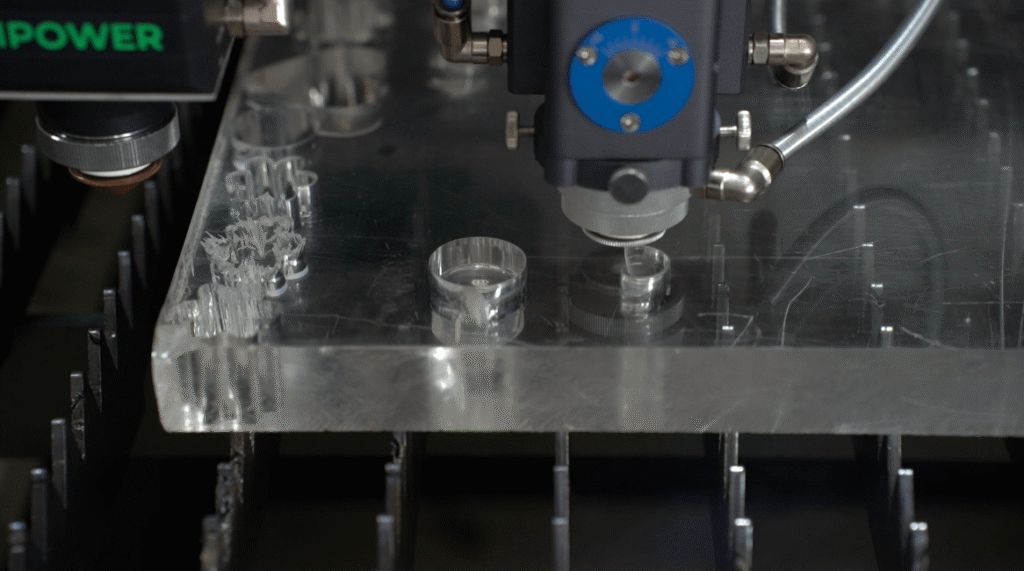
Equipped with an intelligent dual-mode control system, the Baison Industrial CO₂ Laser Cutting Machine utilizes digitized craftsmanship to help you perfectly master two distinct material types:
- Cast Acrylic (The Premier Choice for High-End Engraving & Luxury Displays): For cast sheets, Baison equipment recommends a 2.5-inch short-focal-length focusing lens paired with high-power, low-frequency configurations (150W–250W, 500Hz–1000Hz). Under the instant vaporization of an ultra-fine laser spot, it not only delivers a diamond-like, flame-polished edge directly off the machine but also produces a premium, frosty snow-white finish during engraving, instantly driving up your product’s market premium.
- Extruded Acrylic (The Ultimate Cost-Control Tool for Mass-Produced Signage): When tackling extruded sheets with tight thickness tolerances, Baison deploys a 4-inch long-focal-depth lens and a continuous high-frequency output exceeding 3000Hz. This setup precisely locks down the heat-affected zone (HAZ) and effectively prevents edge melting or dross hanging, resulting in a sharper, brighter cut edge than conventional machines. (Note: Extruded acrylic tends to turn a dull greyish-black when engraved; large-scale engraving is not recommended).
Thanks to Baison’s standard dynamic beam alignment and constant-temperature cooling systems, the machine ensures zero spot drift and maintains a locked focal position, even during continuous, high-load cutting of 5mm to 20mm sheets. Unsure about the optimal parameters for your raw materials? Send your samples to Baison today! Our application engineers will provide a free material assessment and customized parameter setup, backing your bid for high-net-worth orders with flawless, real-world sampling!
Learning Top 5 Cutting Technologies
We will compare and analyze five cutting-edge technologies here. From a high-level perspective, these five cutting technologies have a wide range of capabilities and are widely used in various industrial sectors. However, laser cutting stands out for its high precision and accurate cutting ability. Next, we will detail the specific advantages of laser cutting and why it is the preferred choice for many applications.
1. High-speed Laser Cutting
This is a method used for cutting small parts in large quantities at high speeds. It is perfect for batch-processing tasks and is used extensively in the automotive, aerospace, and medical industries.
High-speed Laser Cutting is suitable for cutting thin materials and can achieve accuracy levels of±0.1mm. High-speed Laser Cutting is a cost-effective and time-saving solution for batch processing and production of small parts.
2. Water Jet Cutting
This method relies on a high-pressure jet of water to cut through materials. A water jet cutter offers a better finish and high accuracy for cutting thick materials compared to other methods.
Water Jet Cutting is commonly used in the construction and mining industries for massive projects and can cut materials with a thickness of 50mm or more. Water Jet Cutting can also be used for CNC programming and is a flexible solution for cutting a wide range of materials including metal, glass, and plastics.
We have prepared an article for you about laser cutting and water jet cutting.
3. CNC Routing
This method is similar to Water Jet Cutting but uses a cutting tool rather than a high-pressure stream of water. CNC Routing allows for the creation of intricate and detailed patterns on the surface of materials.
It is perfect for low to medium-volume production of parts and offers precise cutting capabilities with an accuracy of ±0.1mm. CNC Router can also be used for CNC programming and is a flexible solution for cutting a wide range of materials including metal, glass, and plastics.
4. Hand-held Laser Cutting
This method uses a handheld laser cutter to cut through materials by hand. It offers ultimate flexibility, allowing for free-form cutting and multiple copies of the same design.
Handheld Laser Cutting is a cost-effective and time-saving solution for low-volume production and is perfect for prototyping and model-making. Handheld Laser Cutting can also be used for CNC programming and is a flexible solution for cutting a wide range of materials including plastic, wood, and acrylic.
5. Hot Knife Cutting
This technique uses a hot knife to cut through the material. The knife is heated to a high temperature, and then it is passed through the material to produce a clean, high-quality cut.
The advantage of this technique is that it allows for handheld cutting and can be used in places where large-scale cutting machines are not available. The ability to cut in a straight line freehand offers flexibility compared to other methods. The disadvantage of this technique is that it has a limited cutting height compared to other techniques.
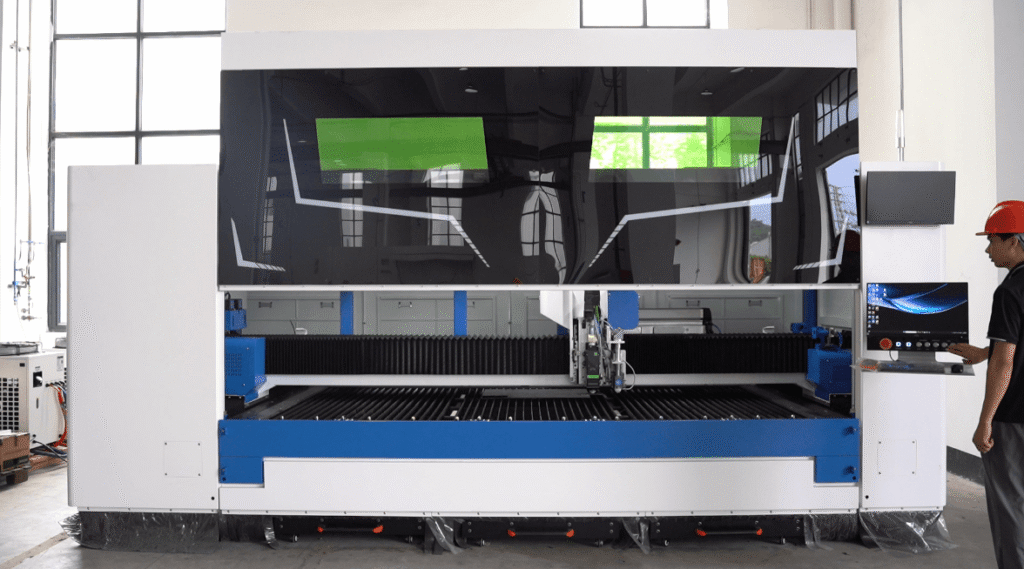
Stop being fooled by the market’s pseudo-concept of “handheld laser cutting for acrylic!” In the real industrial world, handheld lasers are strictly engineered for metal welding or cleaning. Attempting to use them on acrylic makes it impossible to control the focal point and generates massive volumes of highly toxic, hazardous fumes, severely compromising workshop safety.
In premium acrylic fabrication, the true game-changer that secures high margins and explosive order growth is the Baison Industrial CO₂ Laser Cutting Machine’s absolute dominance over traditional CNC milling: traditional CNC, as a contact-based mechanical machining method, frequently causes edge chipping and leaves noticeable step-like tool marks under high-speed cutting. Consequently, workshops are forced to hire substantial manual labor for a tedious three-step post-processing routine—scraping, diamond polishing, and flame polishing. This not only spikes secondary scrap rates but also drains your net profits through heavy labor and high consumable expenditures.
In stark contrast, Baison CO₂ laser cutting utilizes a non-contact, thermal vaporization and melting process. The ultra-high energy density of the laser beam achieves instantaneous, smooth edge leveling within microseconds. It delivers a crystal-clear, mirror-grade polished edge in a single pass, completely eliminating the entire manual post-polishing assembly line.
According to real-world ROI data from large-scale signage manufacturers, switching to the Baison laser process slashes combined labor and consumable costs by over 40% per 10,000 acrylic pieces while boosting production capacity by nearly 3X. This technological upgrade—replacing tedious manual labor with digitalized, precision machinery—is your ultimate weapon to outpace the competition and unlock massive profit potential!
Why Choose Laser Cutting to Cut Acrylic and Plexiglass?
Compared to other cutting technologies, laser cutting offers several key advantages. The first advantage is its precision and speed; it uses a highly focused beam of light to deliver extremely high energy to the material being cut, making it possible to achieve excellent accuracy even with small features.
Additionally, laser cutting can be achieved in a fraction of the time compared to traditional methods like water jet cutting or plasma cutting, making it particularly popular for high-volume production.
Another advantage of laser cutting is its versatility; because it uses light as the primary cutting source, it can cut a diverse range of materials including steel, wood, and plastics. This makes laser cutting a highly versatile cutting technology that can be applied to a wide range of applications.
How to Laser Cut Acrylic and Plexiglass: A Step-by-Step Guide
Laser cutting is a convenient and precise way to create intricate designs and shapes. Acrylic and plexiglass are two popular materials used for laser cutting due to their durability, transparency, and versatility. Below is a comprehensive step-by-step guide on how to laser cut and engrave these materials the right way.
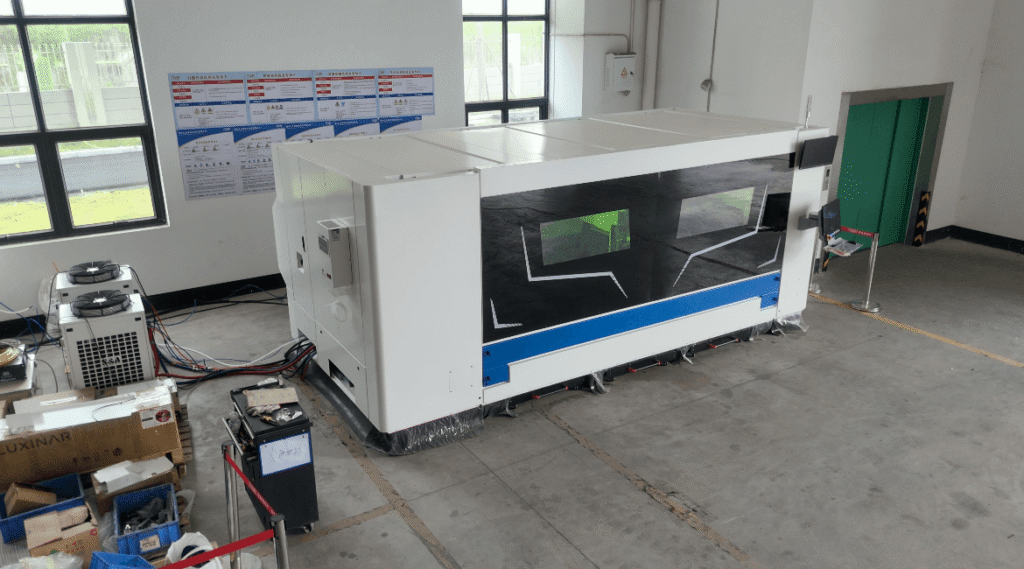
1. Preparing the Material
Before you start the laser cutting acrylic and plexiglass process, it’s essential to prepare the material properly. Here are the important steps to consider:
Cleaning and Deburring the Material
- Remove any protective film or packaging material from the material surface.
- Clean the surface of the material using a dry cloth or brush to remove any dust or dirt particles.
- If there are any rough edges from the manufacturing process, deburr them using a deburring tool or sandpaper to ensure a smooth cutting surface. Use a utility knife to remove any excess material along the edges if a deburring tool isn’t available.
Choosing the Right Material
There are various types of acrylic and plexiglass available, each with its own unique characteristics and properties. You need to choose the right type of acrylic sheets for your products. Here are the common types of acrylic and plexiglass to choose from:
- Acrylic: Acrylic is a clear and transparent plastic material that is commonly used in the construction, advertising, and fashion industries. It has a smooth surface and can be easily etched with a laser beam. There are different types of acrylic available, including cast acrylic and extruded acrylic. Choose the right type of acrylic
- Plexiglass: Plexiglass is a brand-name type of acrylic that is highly durable and similar to glass. With the help of a laser beam, Plexiglass can be turned into a wide range of intricate designs, graphics, and logos. Plexiglass is also available in various colors and thicknesses.
2. The Cutting Process
After preparing the material and setting up the laser cutter, you’re ready to start the cutting process. Below are the steps to follow:
Setting Up the Job
- Load the material into the laser cutter’s work table.
- Choose the appropriate settings for your material and design.
- Set the desired number of copies and the desired cutting width.
- Aligning the laser cutter correctly ensures the cut line follows the intended path on the material.
- Preview the job and make any necessary adjustments to ensure a high-edge quality.
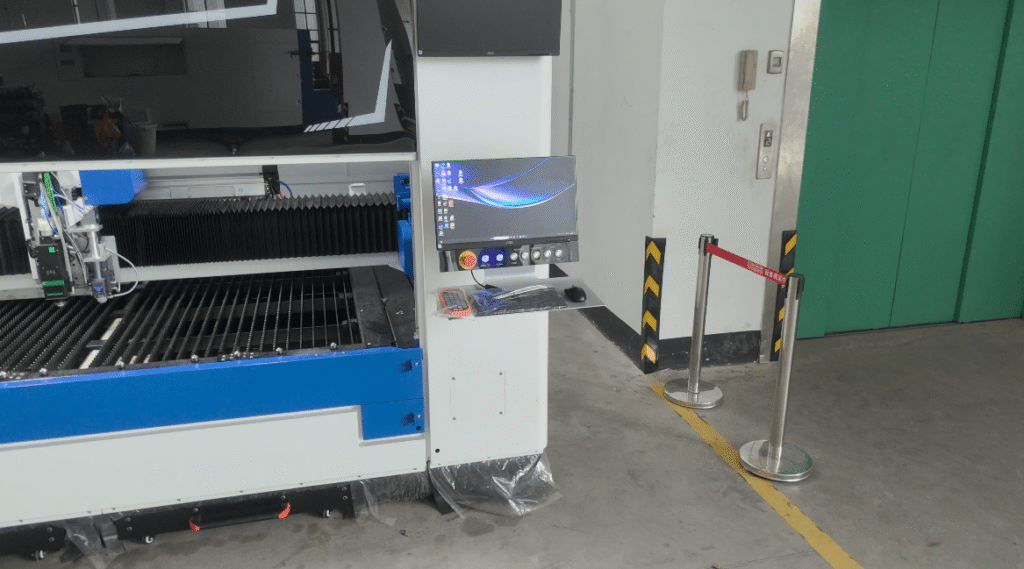
Starting the Cut
- Use the keyboard or touchscreen interface to start the cutting process.
- Observe the cutting process and make any necessary adjustments to the speed or power settings.
- When the cutting process is complete, your design should be etched on the material.
Laser cutting acrylic and plexiglass can be a simple and precise method to create intricate designs and shapes. By following instructions on material preparation, setting up the laser cutter and the cutting process, and performing cleanup properly, you can achieve high-quality results.
Safety Equipment
To stay safe while working with laser cutting acrylic, use the right protective gear. Here’s what you need:
- Wear special goggles to protect your eyes from dangerous radiation when using laser machines.
- Use heat-resistant gloves to handle hot acrylic pieces and protect yourself from burns and chemicals.
- Make sure you have good ventilation to remove fumes that can be harmful if inhaled.
By following these safety tips, you can reduce the risks of working with laser cutting acrylic. Remember to prioritize your safety by using the right gear and having proper ventilation.
Tips for Achieving the Best Results
- Adjust the laser beam focus based on the thickness of the acrylic sheet.
- Set the power and speed appropriately for the thickness and density of the sheet.
- Ensure all safety features are working and wear proper protective equipment.
- Laser cutting acrylic is versatile and perfect for DIY projects like signs and home decor.
- Consider factors like sheet thickness and desired cutting speed to find optimal parameters for laser cutting acrylic.
Many factories fail to achieve a crystal-clear, flame-polished edge, often getting stuck in the useless steps of standard manuals. However, the real trade secret of acrylic cutting that unlocks high profit margins actually lies entirely in the “Air Assist” strategy.
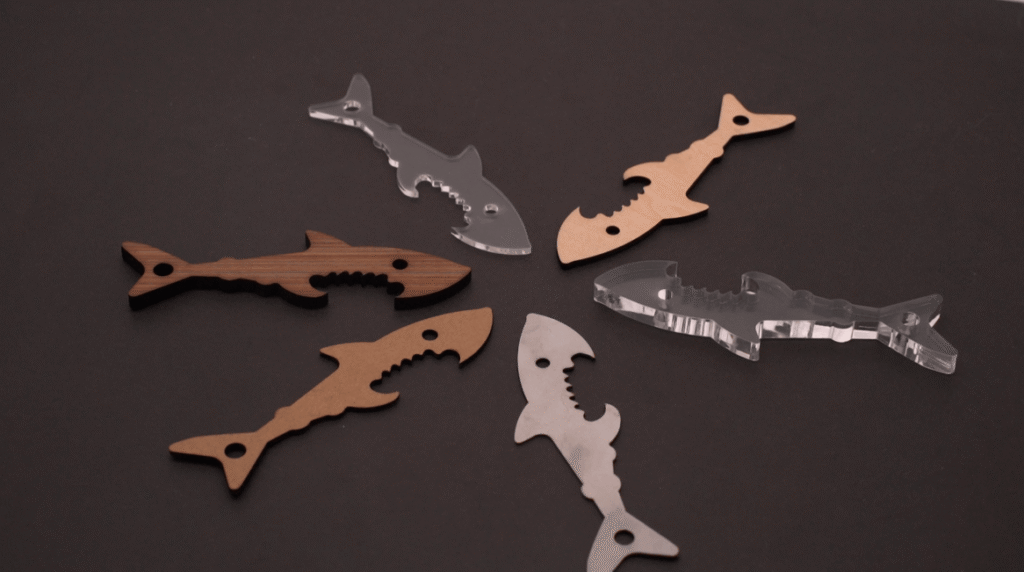
Excessive air pressure will directly disrupt the molten layer during sudden cooling, leaving the originally smooth cross-section covered with dense ripples and waves.Conversely,insufficient air pressure (or no air assist at all) will cause high-temperature flammable gases from instant vaporization to accumulate directly underneath the nozzle, triggering flare-ups that instantly ruin the entire premium sheet.
The Baison Industrial CO₂ Laser Cutting Machine comes built-in with the industry’s leading Setup SOP profitable parameter solutions. During actual operation, the intelligent air-regulation system strictly locks the auxiliary gas pressure between 0.5–1.5 Bar (7–21 Psi), applying an exceptionally gentle sweep of dry air at constant pressure.
This precisely drives away vaporized processing byproducts to prevent reignition while ensuring the flawless, natural leveling of the material’s edges. When tackling thick plates over 5mm, simply pair this with Baison’s customized 2.5-inch or 4-inch focusing lenses and shift the focal point downward to approximately 1/3 of the sheet’s thickness below the surface.
This evenly distributes the peak laser energy along the vertical axis, delivering a diamond-grade, crystal-clear mirror finish in a single pass. It completely eliminates a workshop’s debugging costs spent on trial-and-error sheet burning while slashing post-processing manual polishing expenses by 40%, enabling even novices to output flawless, million-dollar-order-grade quality with a single click!
FAQs
1. Which high-premium industries are best suited for laser cutting acrylic?
It is ideal for industries with strict edge-transparency requirements, such as high-end signage, luxury display racks, automotive instrument panels, and premium artisanal gifts.
2. Does Baison support non-standard customization for acrylic laser cutting machines?
Yes. We can customize specific power outputs (150W–400W), large-format working tables, and automated loading/unloading systems tailored to your production capacity needs.
3. What is the most common mistake when choosing equipment for laser cutting acrylic?
Falsely selecting a metal laser machine or blindly pursuing low prices while ignoring power stability, which leads to yellowed cut edges, flare-ups, and heavy ripples.
4. What are the parameter differences when processing cast vs. extruded acrylic?
Cast acrylic is ideal for high-power, low-frequency engraving to produce a premium snow-white finish. Extruded acrylic is suited for high-frequency continuous cutting to prevent dross hanging, though its engraved surfaces tend to turn a dull greyish-black.
5. How do you achieve a burr-free, flame-polished edge in a single pass without secondary polishing?
You must match a micro-pressure air assist of 0.5–1.5 Bar and drop the focal point to 1/3 of the material’s thickness. Note: Processing parameters for certain special sheet grades require fine-tuning based on the environment; click here to get a customized solution.
Conclusion
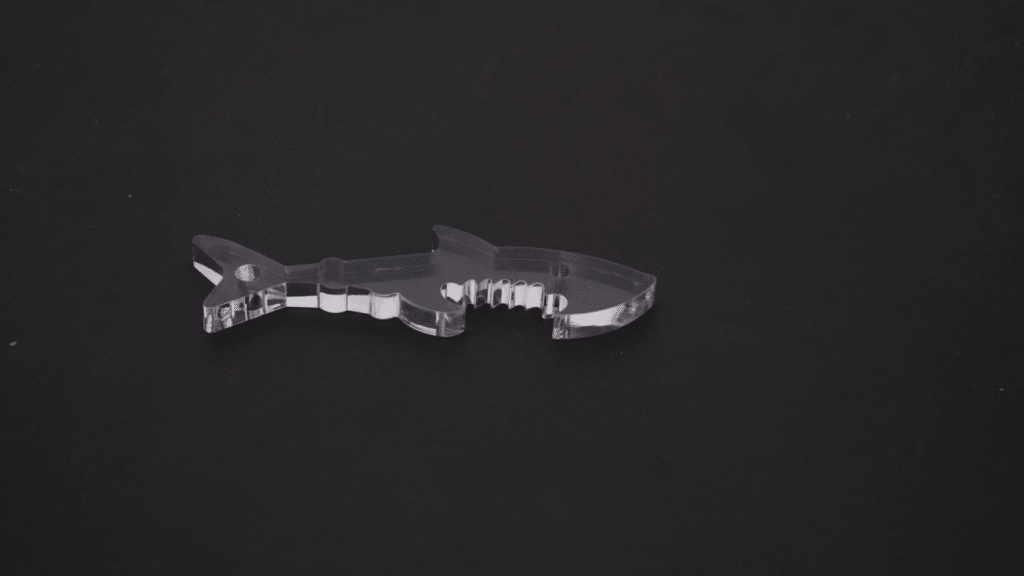
The article introduces five cutting techniques, but when cutting acrylic and plexiglass we recommend choosing laser cutting! Laser cutting acrylic and plexiglass has many benefits, like precise designs and clean edges. It’s versatile and efficient, making it great for signs, jewelry, and home decor. We also explain in detail the process of laser cutting acrylic and plexiglass with a laser cutter. Having a rudimentary knowledge of laser cutting techniques will allow you to confidently delve into this process for your diverse undertakings.
Ready to Get a Laser Cutting Machine for Acrylic and Plexiglass?
If you’re ready to explore the endless possibilities of laser cutting, don’t hesitate to reach out to Baison Laser today. Our team of experts is always ready to help you find the perfect solution for your needs, whether it’s a laser cutter or one of their other amazing products.
With Baison Laser, you can trust that you’ll receive high-quality, reliable products with the best after-sales support in the industry. So why wait? Visit Baison Laser today and explore our range of laser cutters, materials, and accessories. We promise you won’t be disappointed!