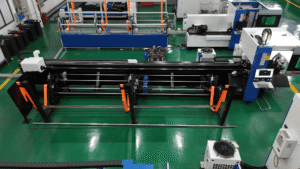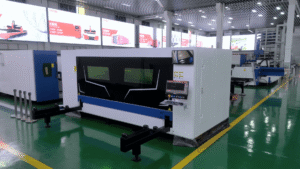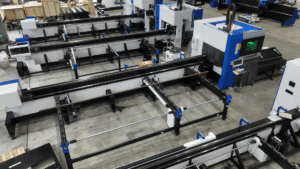
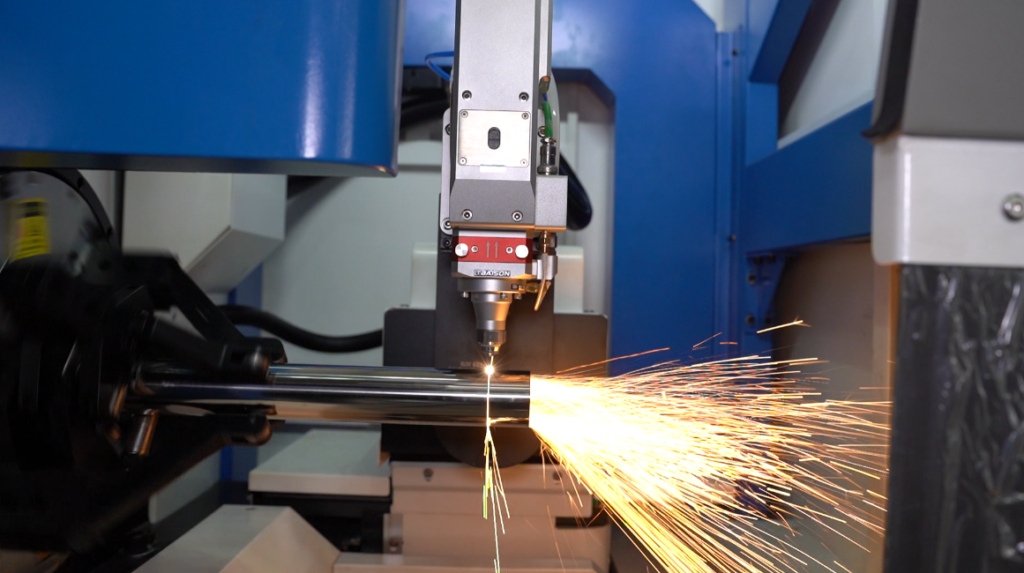
The laser-cutting machine takes control of the reins as the connecting link between power, speed, and thickness. The manufacturing industry’s laser cutting machine is a breath of fresh air. It cuts through thick and hardcore metals with ease and neatly.
We will delve into the entirety of the laser-cutting machine. This blog post will carefully examine the applications, pros, challenges and other vital parts of the laser cutting machine. Hence, you will have better knowledge of the innovative machine in the long run.
What Lasers Are Good for Metal Cutting?
There are various laser cutters used for cutting metals. The following are the top-tier laser types suitable for metal cutting.
CO2 Lasers
Carbon dioxide lasers are commonly used to cut metals. The mode of operation is to produce an intense infrared beam that immerses the metals to be cut. They provide top-tier and precise cuts through metals like aluminum, steel, and titanium.
Fiber Lasers
Fiber high-power lasers make precise, excellent, and neat cuts. The mode of operation is the development of potent laser beams using optical fibers filled with the required earth elements. They are best suited for metals of thin or mid-thick components.
If you are interested in the differences between CO2 and fiber laser technology, click the button below.
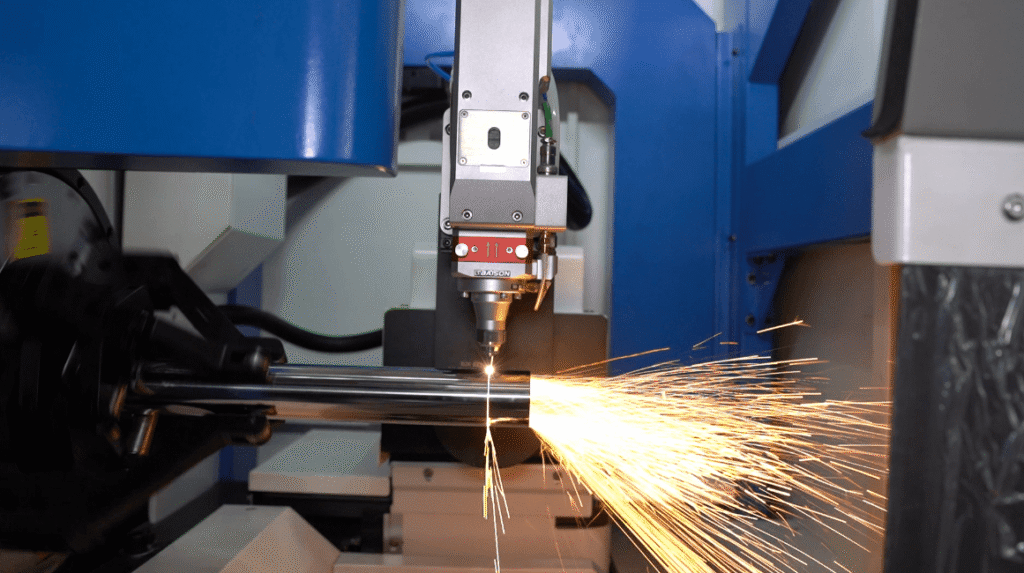
Nd: YAG Lasers
Neodymium-doped yttrium aluminum garnet (Nd:YAG) is another top-tier laser cutter. The mode of operation is by using a substantial light beam to cut through metals. It is better suited for metals with reflectivity, such as silver, copper, gold, brass, and aluminum.
When choosing metal cutting technologies, efficiency depends on matching the right laser. Baison Laser delivers high-efficiency, low-maintenance fiber laser cutting technology, offering a robust 1500W to 12000W power matrix.
Compared to high-maintenance CO2 lasers and Nd:YAG lasers, Baison fiber laser cutters cover everything from thin sheet precision processing to heavy-duty thick plate cutting.
Equipped with proprietary anti-reflection protection and frequency modulation, our high-speed plate cutters and sheet-tube integrated machines ensure high-precision, zero-defect processing on carbon steel, stainless steel, and highly reflective metals like copper and aluminum—making them the ultimate tool for cost reduction and efficiency in sheet metal and kitchenware manufacturing.
What Metal Materials Can a Laser Cutter Cut?
Stainless Steel Metal
Laser cutters are best suited for stainless steel. They cut metal through precisely without affecting the properties of the steel. Examples of these steel include ferritic or austenitic steel.
Aluminum
Aluminum is part of the lightweight metal class. Laser cutters are used to cut aluminum into intricate styles and patterns. These complex but attractive styles and patterns come with a smooth and neat finish. The higher-power laser beam delivery aids the finishing.
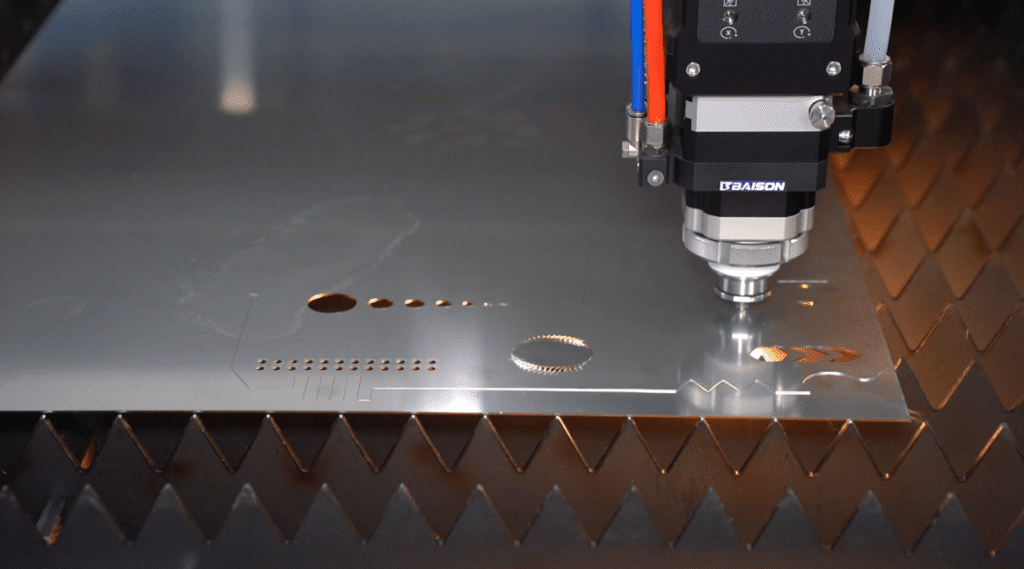
Mild Steel
Laser cutters can also cut carbon steel. It is known that mild steel is popular in the manufacturing industry. Hence, there is a need for laser cutters to take carbon steel and cut them into complex designs and curves.
Brass and Copper
Brass and copper are high conductors. Hence, laser cutters can cut through them accurately and efficiently. It also prevents distortion or errors.
Titanium
Titanium is a metal of high strength and lightweight. The laser cutter is the best option for getting complicated but essential designs and styles. Medical equipment and devices are commonly made from titanium.
What Are the Factors That Have Impacts on Laser Cutting Thickness?
Laser Power
The intensity of the laser power is a vital factor to consider when it involves laser cutting thickness. One of the strong points of laser cutting power is its ability to effortlessly slice through thick material surfaces. As much as a higher-power laser machine is suitable for thicker sheets, care must be taken to find the right balance to prevent deformation or distortions.
Metal Type and Characteristics
The nature and characteristics of the metal to be cut by the laser cutting machine is worth acknowledging as a factor. Metals have various characteristics, such as reflectivity, melting points, and conductivity. Hence, there are different laser power and thickness for each specified material.
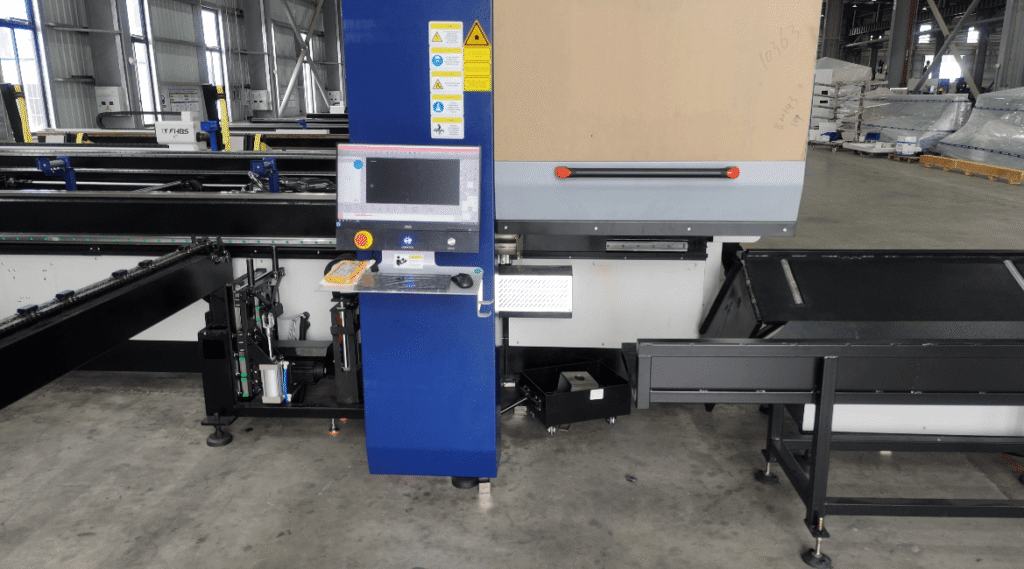
Focal Length and Focus Lens Size
The laser beam’s focal length and focus lens size affect any metal’s precision and cutting depth.It would be best if you had a larger focus lens size and focal length when cutting thicker elements. Interestingly, smaller sizes and focal lengths require a more robust laser beam for precision.
Assist Gas Type and Pressure
Assist gas type and pressure play another essential determinant role. Assist gas includes compressed air, nitrogen, and oxygen. Their primary function is to minimize oxidation by eliminating molten elements from the cut path. Higher gas pressure is best suited for thicker materials.
In fiber laser cutting, maximum thickness depends on the dynamic balance of power, frequency, and duty cycle. Baison Laser found that in 3kW–12kW industrial applications, simply stacking power causes overshooting, leading to severe dross at the back.
For stable production, a 3kW model cuts carbon steel up to 20mm. Upgrading to a 12kW high-speed plate cutter with system tuning drastically accelerates piercing and yields highly perpendicular, dross-free cross sections.
To overcome thick plate bottlenecks, Baison technicians fine-tune pulse frequencies and precisely control assist gas pressure. This eliminates localized heat accumulation, ensuring sheet-and-tube integrated machines deliver zero-defect, high-precision products during continuous heavy-duty cutting.
What Are the Factors That Affect Laser Cutting Speed?
The Intensity of the Laser Power
The speed at which metals are cut is dependent on how much laser power you apply during the cutting process. Enhanced laser power and energy provide for faster cutting. The result is an increased material vaporization rate.
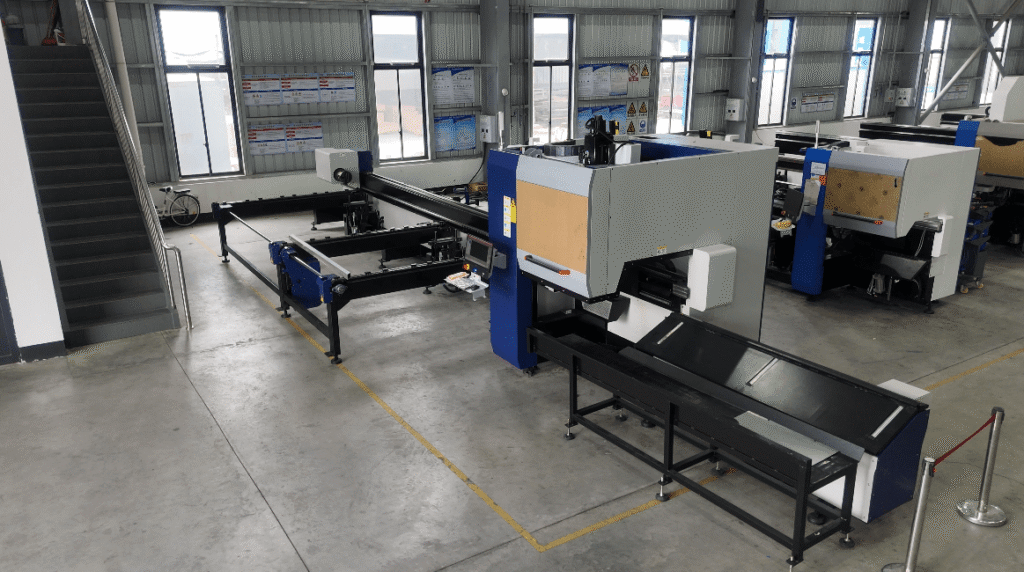
Material Type and Properties
The characteristics and material nature of the metals affect the laser cutting speed. The desired and required cutting speed of a specified material provides for faster or slower cutting speed for precise cutting.Some metal properties that affect the laser cutting speed include conductivity, melting points, and reflectivity.
Cutting the Kerf Width of Materials
Any material surface’s cutting speed depends on the necessary kerf width. The primary definition of kerf width refers to the width of material removed by a laser cutting machine. Thinner kerf widths increase the laser cutting speed.
Assist Gas Type and Pressure
Assist gas helps clear the metal-cutting paths. When there is an increase in the pressure of the assist gas, an enhanced cutting speed is produced, which makes removal easy and fast.
In fiber laser cutting, the tradeoff between processing speed and kerf quality directly impacts the production efficiency of thin sheets. Baison Laser found during the tuning of its 1.5kW–12kW high-speed plate cutters and sheet-tube integrated machines that blindly pushing the speed limit on 1mm thin sheets easily narrows the kerf, trapping the slag and causing severe burrs and dross.
To resolve this, Baison optimizes the servo motor response algorithm paired with an integrated gear-shaft reducer, enabling the machine to scientifically micro-adjust the kerf width and dynamic acceleration at high speeds.
This compromise perfectly balances shipping efficiency while ensuring a smooth, burr-free cross section—serving as the ultimate guarantee for sheet metal plants to overcome the bottlenecks of “extreme fast cutting.”
What Is the Relationship between Thickness and Speed in Laser Cutting?
Impact of Thickness on Cutting Speed
The relationship between a laser cutting machine’s cutting speed and thickness can be likened to two peas in a pod. Thick metals use more energy, time, and cutting resources to cut out the necessary parts. However, slow cutting speed gives the laser cutter additional power and more penetration time.
Balancing Cutting Quality and Efficiency
One hack to getting the perfect blend of efficiency and value is balancing. The metal thickness and cutting speed must be balanced. Slow-cutting speeds are helpful for thicker materials, but slow speed increases production cost and time and reduces service product delivery. Interestingly, fast cutting can cause a lot of distortions or errors.
Required Cutting Parameters for Various Metals and Thicknesses
There is an expanse requirement for the desired cutting parameters for numerous materials and their corresponding thickness. These parameters include power, assist gas setup, speed, and material properties. A cutting guideline is vital during laser cuttings to get the ideal requirements for the various metals and their thicknesses.
In fiber laser cutting, the core of balancing efficiency and quality lies in the system’s intelligent dynamic adjustments. Baison Laser optimizes control algorithms for high-speed plate cutters and sheet-tube integrated machines to achieve automatic power and speed regulation at corners and sharp angles.
When processing thick plates or complex workpieces, the equipment decelerates in real time along the trajectory while simultaneously lowering laser power and frequency. This effectively eliminates corner burnout and small-hole distortion caused by localized overheating.
Paired with multi-stage progressive piercing technology and high-precision gas circuit control, Baison equipment ensures full-speed continuous cutting while delivering high perpendicularity and dross-free cross sections.
How to Choose the Suitable Power Intensity for Your Laser Cutting?
Understand the Material
You have to understand that various materials have different properties and components. The characteristics of any metal or material can positively or negatively affect laser cutting performance.
Hence, the use of suitable cutting power laser beams for some materials is unnegotiable. For instance, aluminum and stainless steel are the best high-fiber laser-cutting power recipients.
Determine the Thickness
The thickness of the metal is another major determinant. Thinner metals require less laser power for precise cuts. Laser cutters come with power requirements that cater to the desired specification of unique metals and their thickness. Hence, you should check those specifications to get the best power volume for the materials.
Consider Cutting Speed
The cutting speed and laser power are interconnected as high laser intensity requires faster cutting speeds and vice versa. Therefore, it is crucial to ensure there is a balance between both to avoid rough edges, errors, and deformation.
Consult Manufacturer Guidelines
Laser-cutting machine manufacturers often deliver guidelines and recommendations for power settings. These settings are based on the material being cut. Adhere to the manufacturer’s suggestions and adjust based on your precise prerequisites and results.
Conduct Test Cuts
Testing cuts before working on a new metal or thickness is wisdom. You get to monitor and determine the best power setting before working entirely on the new material. Observe factors such as the edge finish, kerf width, and the ability of machine tools to cut through the material surface.
Laser Cutting Thickness & Speed Chart
| Metal Type | Maximum Cutting Thickness (mm) | Recommended Cutting Speed (mm/s) |
| Mild Steel | 20 | 600-900 |
| Stainless Steel | 10 | 300-600 |
| Aluminum | 8 | 1000-1500 |
| Copper | 3 | 600-900 |
| Brass | 4 | 600-900 |
| Titanium | 4 | 400-600 |
| Nickel | 3 | 400-600 |
| Zinc | 3 | 400-600 |
In fiber laser cutting, precisely matching laser power, speed, and assist gas determines processing quality. Based on the 3kW–12kW range, Baison Laser calibrates parameters for thin and thick plates of carbon steel, stainless steel, and aluminum, optimizing gas pressure and speed via control systems to eliminate dross and corner burnout.
For high-reflection metals like copper and brass, our proprietary anti-reflection protection and frequency modulation overcome the industry challenge of reflection-induced laser head burnout.
When running high-speed plate cutters and sheet-tube integrated machines, strictly executing customized nozzle models and gas pressures (such as high-pressure nitrogen or high-power compressed air) remains the ultimate guarantee for sheet metal plants to achieve high-precision, zero-defect metal fabrication while cutting costs and increasing efficiency.
How to Optimize Laser Cutting Thickness and Speed?
Adequate Material Selection and Preparation
Choosing materials that are appropriate for laser cutting is important. You must identify and have proper knowledge about their properties.Confirm that the materials are free from elements or contaminants capable of disrupting the fiber laser cutting machine and process.
Fine-tuning the Settings for Cutting Speed and Laser Power
Research the different power and speed settings to find a good combination for the efficiency and desired cut quality. Finding a balance between cutting speed and laser power allows you to achieve the desired cut quality while maintaining an acceptable production rate.
Effective Utilization of Assist Gases
To help remove vaporized or molten material from the cut path, you can make use of some assist gases, including oxygen, compressed air, or nitrogen. The aim is to enhance cutting efficiency.Optimize your selected assist gas and its pressure to suit the cut material.
Routine Maintenance of Laser Cutting Equipment
Regular maintenance and calibration of your laser cutting machine are essential to keep it efficient. You should frequently clean optics and watch out for wear and tear.
You must ensure the laser beams are well-aligned for neat and precise cuts. Proper maintenance of the laser cutting head and machine helps to increase product quality and delivery.
Challenges and Limitations in Laser Cutting Thickness and Speed
Limitations and Restrictions of Materials
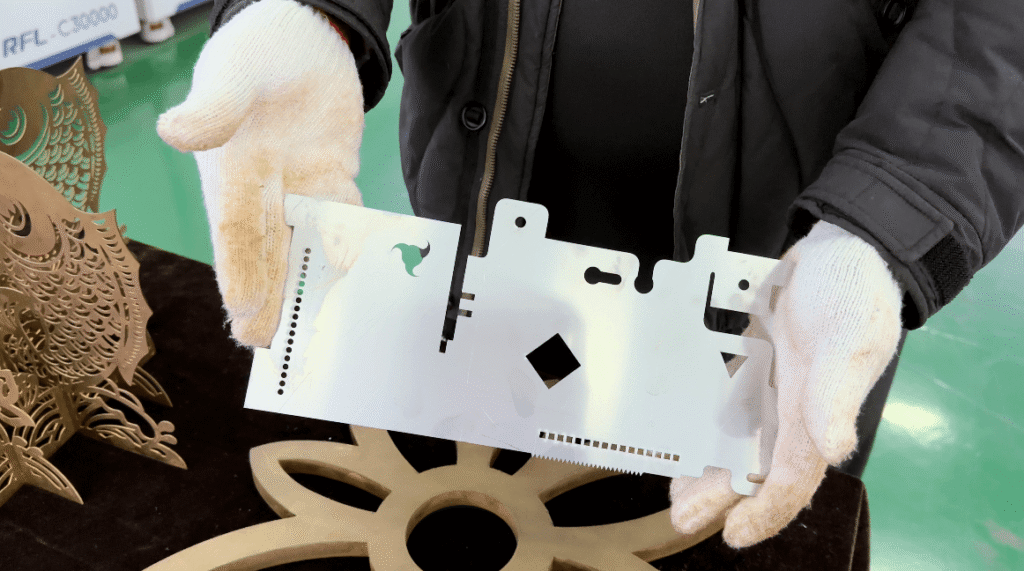
Laser cutting is often used to cut numerous materials. However, some materials make laser cutting difficult. However, materials like glass, copper, and aluminum can have an adverse effect on laser cutting due to some of their unique properties.
Equipment Capabilities and Constraints
The thickness and speed of laser cutting are affected by the power and beam quality of the laser. The capacities of some materials limit higher-powered lasers from cutting through them, even though they can easily slice through them. Laser settings and configurations can also affect the cutting thickness or speed design.
Heat Accumulation and Thermal Effects
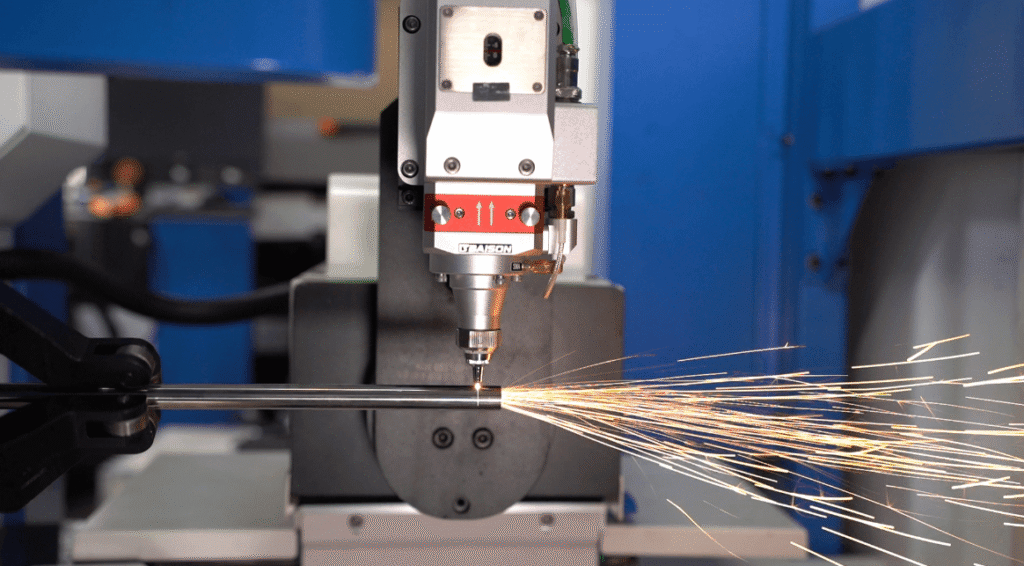
Laser cutting produces high amounts of heat. It is because of directing a high-energy laser beam on the materials. Thermal effects are the side effects of heat accumulation caused by cutting thicker metals. Examples of thermal effects are degradation, warping, and melting, which can affect product quality.
Speed and Precision Trade-Off
Higher cutting speeds can cause minimized precision. It is common when cutting complex, complicated, or unique designs and patterns. The laser beam’s speed determines the cut’s smoothness and preciseness. Hence, balance is essential.
In fiber laser cutting, processing limitations mainly stem from thick plate limits and the reflection impact of highly reflective materials. By solidifying process boundaries within the control system and utilizing a dynamic pulse frequency modulation algorithm for power protection, Baison Laser has overcome the industry bottleneck where machining highly reflective materials like brass and aluminum can instantly burn protective lenses.
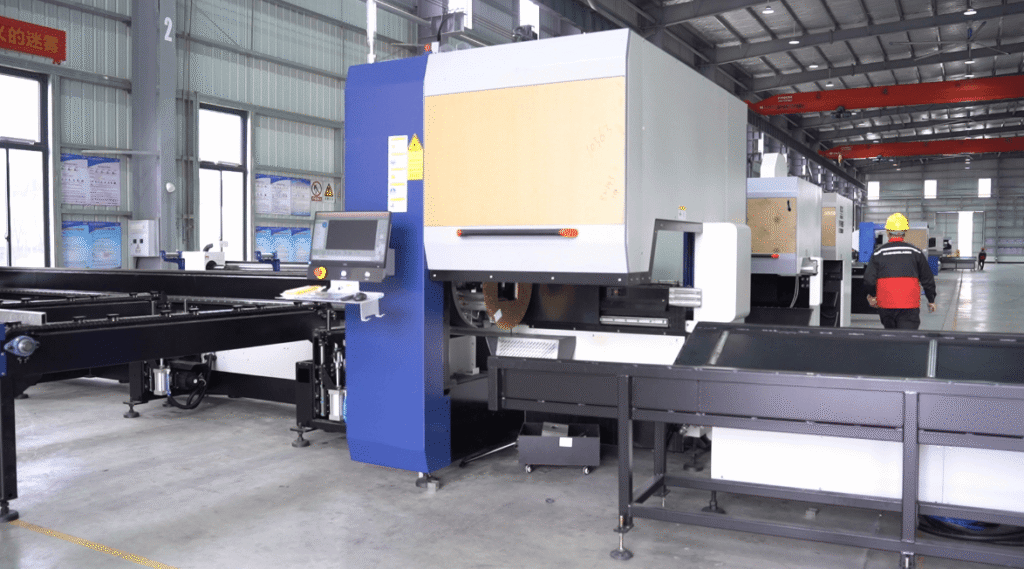
Meanwhile, addressing overheating and spatter hazards in thick plate processing, Baison’s high-speed plate cutters and sheet-tube integrated machines incorporate integrated reducers and metal protective suits within the bed structure. This blocks sparks from damaging precision drive components, guaranteeing high-precision, zero-defect, continuous, and stable production for sheet metal plants.
FAQs
1.How Does Laser Power Affect the Cutting Thickness and Speed in Laser Cutting?
Laser power is a significant factor in laser cutting, affecting both the cutting thickness and speed. Higher laser power can be used to slice through thicker materials. It is because it allows for more energy to melt the metal.
However, there is a limit to which thick and thin materials that can be cut with high power. Generally, higher-power lasers directly impact the maximum cutting thickness and speed. This is because these higher-power lasers deliver increased energy to the materials, enabling quicker cutting.
2.How Does the Laser Lens’s Focal Length Affect Cutting Thickness?
The focal length of the focus lens on the laser head impacts the spot size and the laser beam’s focus depth.The focal length lens or spot size directly determines the cutting point’s energy density, which allows the beam to efficiently melt or vaporize materials.
3.How Does the Cutting Speed Affect the Cut Edges in Laser Cutting?
The relationship between cutting speed and edge quality in laser cutting can be a trade-off. Increased cutting speeds can improve production rates but have a negative impact on edge quality. Conversely, reduced cutting speeds provide better control and finer quality cuts, leading to improved edge quality but slower production rates.
4.What Is the Influence of Assist Gases on the Cutting Thickness and Speed in Laser Cutting?
Assist gases are often used in laser cutting to optimize the cutting process. The selection of assist gas used on a specific material can impact both the cutting thickness and speed.
For instance, oxygen is beneficial as it increases oxidation, eliminates molten elements, and increases cutting speeds. However, it can affect the thickness of a material and cause rough edges plus distortion due to much oxidation.
5.Which industries are Baison fiber laser cutting machines suitable for?
Widely used in sheet metal, kitchenware, advertising, automotive parts, cabinets, and tube processing, efficiently cutting thick plates and highly reflective materials.
6.Do Baison laser cutting machines support customization?
Yes. We offer customizable power from 1.5kW to 12kW, options for sheet-and-tube integrated models or high-pressure air compressors (16-20 Bar), and tailored automated loading/unloading systems.
Conclusion
Laser-cutting metal is a sweet blend of speed, thickness, and power best suited for manufacturing. It has taken laser cutting from a ten to a hundred by enhancing creativity, craftsmanship, and innovation.The blend of power, high speed, and maximum thickness will undoubtedly advance the cause of the use of innovative technologies in all industries.
Discover the Perfect Solution for Your Business with Baison
Explore Baison, the innovative solution that helps businesses uncover the perfect fit for their needs. With Baison, getting the best laser-cutting equipment has been tailored specifically to suit your desired requirements.
Baison is known to go beyond the one-size-fits-all approach—request our sample proof to test our personalized experience. Don’t hesitate to click the button below to contact us today!