The elevator industry continues to develop rapidly, thanks to the rapid growth of urban skylines. Modern buildings now demand safe, efficient, and steady vertical transportation. Manufacturers are burdened with faster production, tighter precision, and smarter solutions requirements.
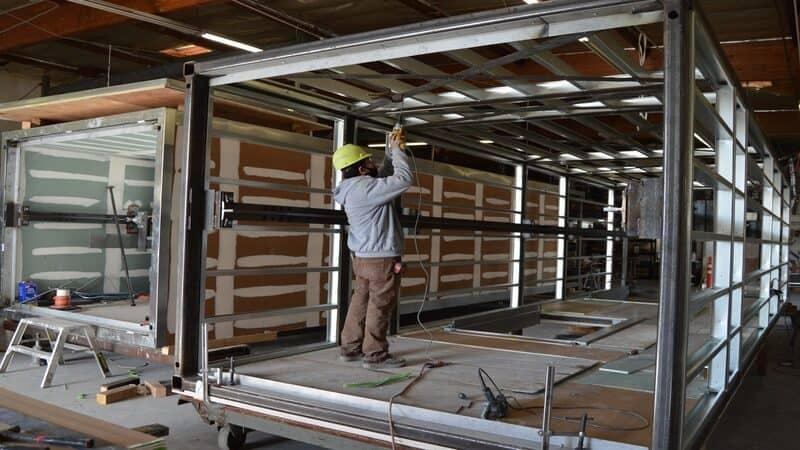
Laser cutting machines have already become core sheet metal processing equipment in elevator manufacturing. It eases multiple critical processes for manufacturers, ranging from exterior components to structural parts.
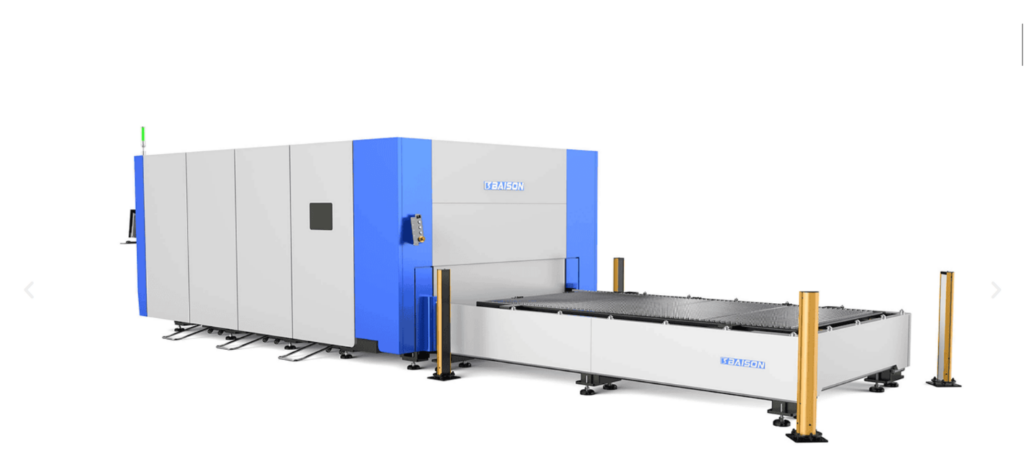
That’s where Basion Laser SH-H can become your breakthrough technology. Reshape the very foundations of elevator manufacturing with SH-H’s streamlined efficiency and innovation. Take a simple yet insightful look as we introduce the Laser SH-H as a perfect solution.
Why Baison Laser SH-H High-Speed Machine?
The next-gen fiber laser cutter is ready to revolutionize elevator manufacturing. It’s designed to serve industries that depend on optimal accuracy, speed, and durability in urban high-rise constructions.
Core Features of SH-H
- Ultra-High Cutting Speed: The machine can cut sheet metal and tubes at speeds up to 150 m/min.
- Durability + Stability: The machine features aviation-grade aluminum beams for long-term serviceability.
- Dual-Use Capability: Manufacturers can handle plate + tube cutting together without multiple machines.
- Automation Solutions: Fully automatic feeding-receiving devices can streamline the entire workflow.
- Intelligent Control: It even features an integrated AI-driven monitoring system for consistent part accuracy.
- Energy Efficiency: The fiber laser operates at up to 30% less energy compared to standard CO₂ lasers.
Whom Does the High-Speed Laser Machine Serve?
- Construction/Infrastructure: Cut steel and aluminum components for skyscrapers and smart buildings.
- Automotive + Transportation: Production of lightweight yet durable parts for vehicles.
- Industrial Equipment: Fabrication of precision components for machinery and heavy-duty applications.
- Advertising + Consumer Products: Intricate designs in metal signage and decorative panels.
Baison’s SH-H empowers elevator manufacturers with a perfect balance of speed, precision, and automation. Businesses can meet the growing demands of modern infrastructure without compromises.
Core Problems in the Elevator Processing Industry
Several challenges have been plaguing the elevator manufacturing portfolio. The issues are persistent, continuously hindering commercial efficiency and competitiveness. They also highlight the urgent need to opt for advanced and smart manufacturing approaches.
- Difficulty in Processing Complex Patterns
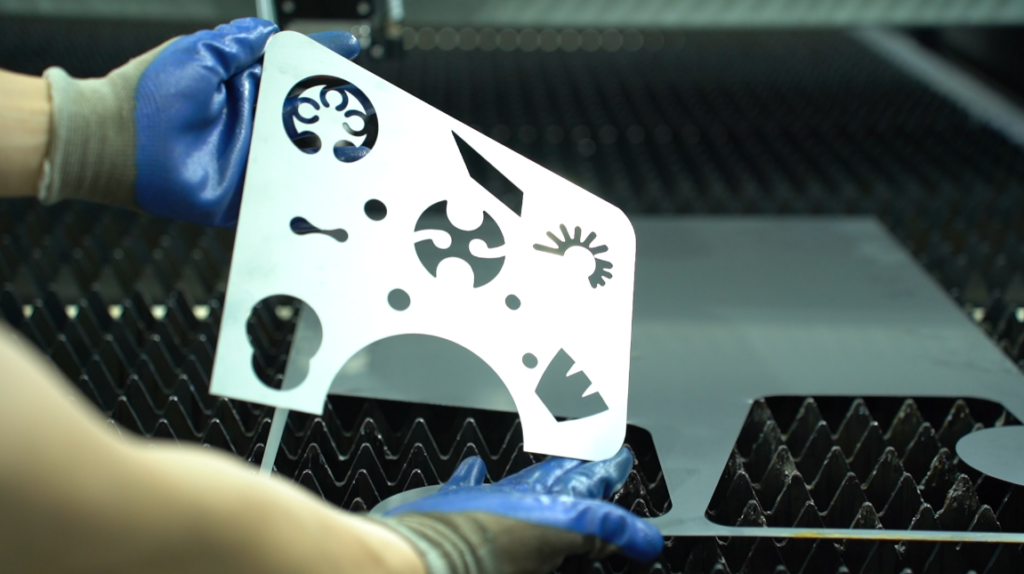
Complexity in the geometric details slows production, raises costs, and limits innovation. Modern elevators specify decorative panels, safety-critical parts, and lightweight structures.
Stainless steel, aluminum, and composite sheets are difficult to process with conventional tools. The issue seems to get out of hand with curves, perforations, or micro-details.
Architects and developers increasingly request exclusive details for luxury buildings. Manual or semi-automated methods increase cycle times and material waste to incur additional costs.
- Unstable Precision in Formed and Structural Components
Elevator safety is an inviolable concern. Every part must meet strict tolerances for passenger safety and smooth operation. And compliance with standards (ISO 8100, EN 81, ASME A17.1) is mandatory.
Imbalanced structural components lead to misaligned parts due to compromised accuracy. Passengers will keep experiencing noise, vibration, and discomfort.
The assembly turns hectic, which eventually slows down the delivery. It also means an increase in rejection rates. Then there are safety risks associated with potential failures in heavily loaded infrastructure.
- Low Efficiency in Multi-Variety and Batch Production
Elevator manufacturing doesn’t mean producing standardized cabin-shafts only. Modern projects call for detailed customization, exclusive variations, and bulk production.
Luxury buildings tend to specify unique interiors, panels, and designs. Manufacturers have to handle multiple product lines (passenger, freight, escalators, and modernization kits).
Small to medium orders for retrofits and regional projects cause scalability issues. Traditional production can barely adapt to such diverse designs and frequent changeovers.
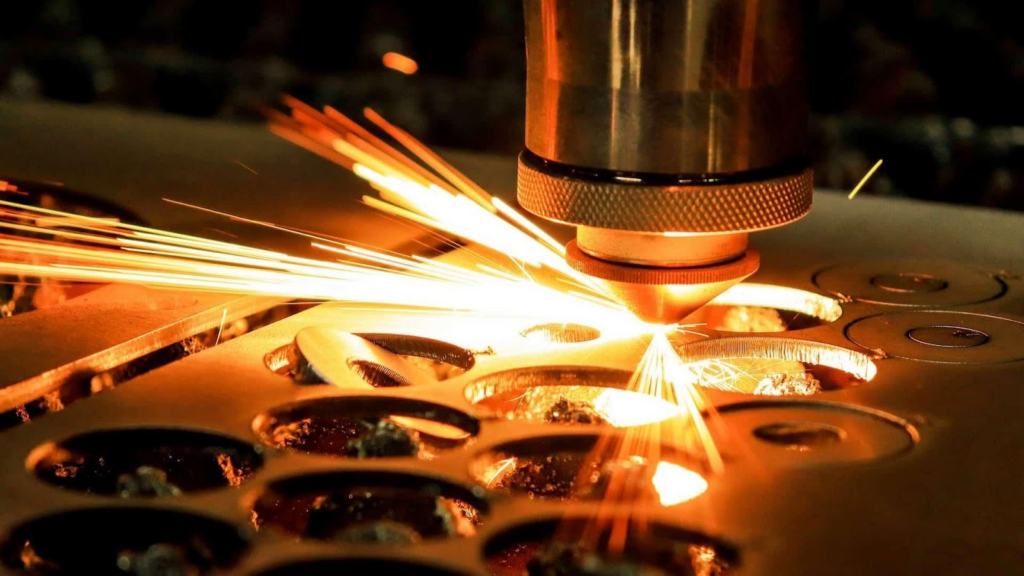
- Low Material Utilization Rate
Almost all standard elevators come from sheet metal, stainless steel, aluminum, and composites. The materials are expensive, meaning you can’t afford much waste to make profits.
A lower material utilization rate results in the loss of a significant portion of the material during cutting, forming, or assembly. The problem is that manufacturers can’t reuse those wastes for structural parts.
Even small inefficiencies initiate large financial plunges with expensive steel and aluminum. The waste further increases the carbon footprint, undermining the sustainability goals.
- Poor Surface Quality with Excessive Burrs
Elevator components have to comply with strict safety + aesthetic standards. Poor surfaces with too many burrs after cutting/forming present multiple hurdles.
Burrs frequently cause injuries during assembly or maintenance. The rough edges cause misalignment, poor fit, and increased wear on mechanical parts.
Visible imperfections will surely reduce customer satisfaction. Even the removal of burr via grinding, polishing, or secondary finishing increases labor and time.
- High Environmental Pressure
Elevator making is a resource-intensive process, dictating the sustainability theory. Cutting, forming, and welding are energy-intensive by default, regardless of the material.
Global sustainability regulations continue to get tightened. And it mounts environmental pressure on brands regarding reduced emissions, waste, and energy consumption.
Your product must meet the EU Green Deal, ISO 14001, or China’s “Dual Carbon”. Customers increasingly demand eco-friendly solutions, making sustainability a top concern.
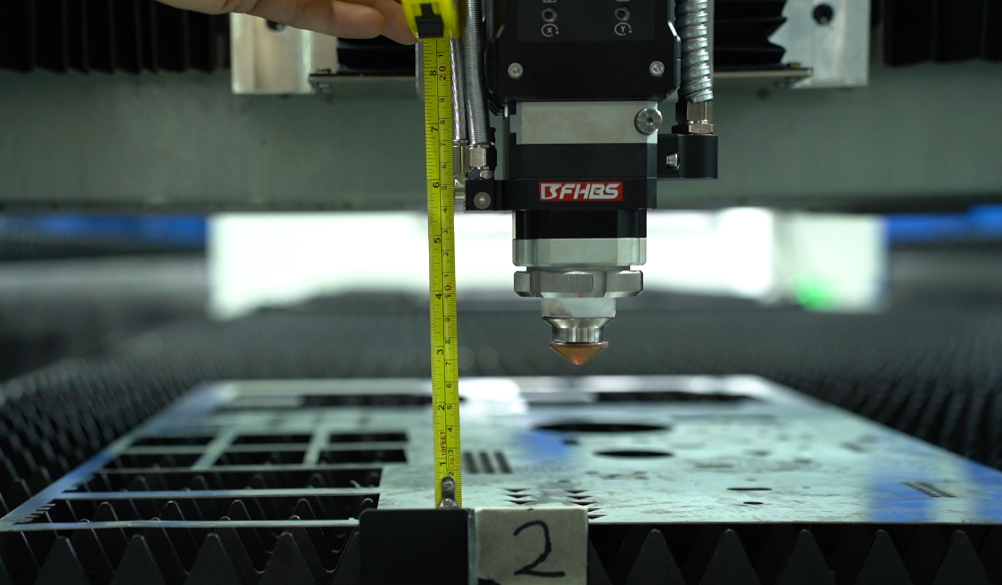
Laser Solutions with the SH-H
Baison SH-H High-Speed Laser comes with advanced solutions for modern elevator manufacturing. Enjoy a full-functional combo of automation, AI-driven optimization, and sustainable design. Its supreme balance of features is ready to resolve the challenges firsthand.
- Easy-to-Operate Intelligent Control System
SH-H, having an intelligent control system, simplifies elevator manufacturing for maximum efficiency. Traditional elevator cutting systems still require extensive manual calibration. But SH-H’s intelligent interface lets operators manage complex cutting with minimal training.
Core Capabilities of the Intelligent Control System
- Friendly Interface: Touchscreen and CAD/CAM integration keep it easy to load designs and adjust parameters.
- Automated Optimization: The system automatically selects cutting paths, speeds, and laser power for different materials.
- Real-Time Monitoring: Built-in sensors track cutting precision, material usage, and machine health, reducing downtime.
- No More Costly Errors: AI-driven algorithms can detect anomalies and adjust operations instantly for minimum defects.
- Remote Connectivity: Industry 4.0 integration incorporates remote monitoring with predictive maintenance.
You can cut down operator training time significantly compared to traditional CNC. Automated control lowers defect rates in the elevator to save costs on rework. The smart laser can increase output in multi-variety batch production.
- Minimal Thermal Deformation
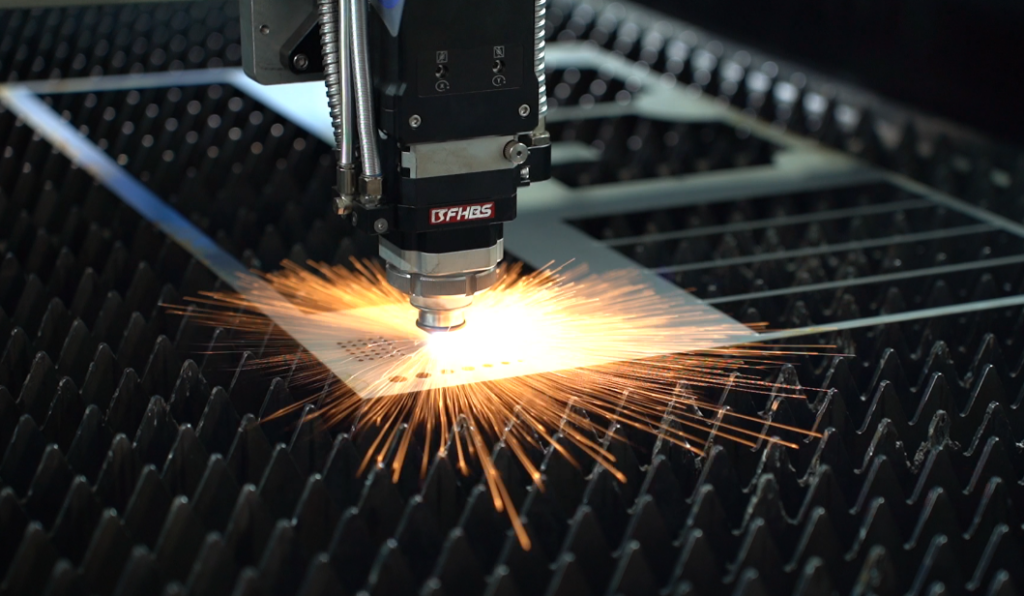
Thermal deformation is the result of the heat generated by the cutting or welding. Even the slight warping can cause misalignment, poor fit, and safety risks in elevators. Baison SH-H’s fiber laser with intelligent thermal management retains the original dimensions.
How Does the SH-H Minimize Thermal Deformation?
- High-Power Fiber Laser Efficiency: Concentrated energy with minimal heat spread dissolves the heat-affected zone (HAZ).
- Precision Cooling: Integrated cooling systems keep the temperature stable during metal cutting.
- Intelligent Control System: Laser power and speed get automatically adjusted to match material thickness, preventing overheating.
- Fast Cutting Speed: Shorter exposure further lowers thermal stress to keep the edges burr-free.
- Optimized Cutting Path: AI-based nesting minimizes overlapping heat zones. And no cumulative deformation can occur.
Fiber lasers can reduce HAZ to <0.1 mm, compared to plasma cutting’s 1 – 3 mm. SH-H can even achieve tolerances of ±0.05 mm for elevator guide rails and cabin structures. The lasers also consume 30% less energy than CO₂ options to lower the environmental impact.
- Extremely Fast Dynamic Response
Dynamic response means how quickly a machine reacts to changes in cutting parameters. It can be material thickness, design complexity, or sudden shifts in production specs. Extremely fast dynamic response in elevator making enables persistent precision and less downtime for optimal quality.
How Does SH-H Achieve Fast Dynamic Response?
- High-Speed Servo Motors: They provide rapid acceleration and deceleration for a seamless transition between cutting paths.
- AI-Controlled Feedback Loops: Continuously monitor cutting conditions to adjust laser power instantly.
- Stable Mechanical Design: Aviation-grade aluminum beams reduce vibration. You can expect a faster response without affecting accuracy.
- Precision Algorithms: Optimize the part cutting speed and trajectory without any lag or overshoot.
- Multi-Material Adaptability: Let it adjust automatically to stainless steel, aluminum, or composite sheets, requiring no manual recalibration.
Advanced fiber laser systems like SH-H can provide up to 2.5 – 3G acceleration. The intelligent control reduces adjustment time to milliseconds. Faster response, reducing the idle time, also cuts down energy consumption per project.
- Intelligent Control for Rapid Nesting
Nesting indicates the arrangement of multiple parts on a sheet of metal to maximize the usage. Elevator processing revolves around stainless steel, aluminum, and composite sheets. Efficient nesting can help reduce material costs, shorten production cycles, and retain cutting precision.
Rapid Nesting with SH-H
- AI-Powered Algorithms: Automatic calculation creates the most efficient parts arrangement.
- Real-Time Adaptability: Instant nesting pattern adjustment occurs with changes in designs or materials.
- Multi-Variety Handling: You can deploy diverse part shapes and sizes, ideal for batch production.
- CAD/CAM Integration: Import the digital designs to eliminate the manual layout work without hassle.
- Optimal Material Utility: You can achieve higher utilization rates by minimizing gaps and overlaps.
Intelligent nesting boosts utilization rates. Meantime, automated nesting reduces layout prep time, accelerating production cycles. Also, optimized layouts cut scrap rates to align with sustainability goals.
- Upgraded Core Configuration with Raycus
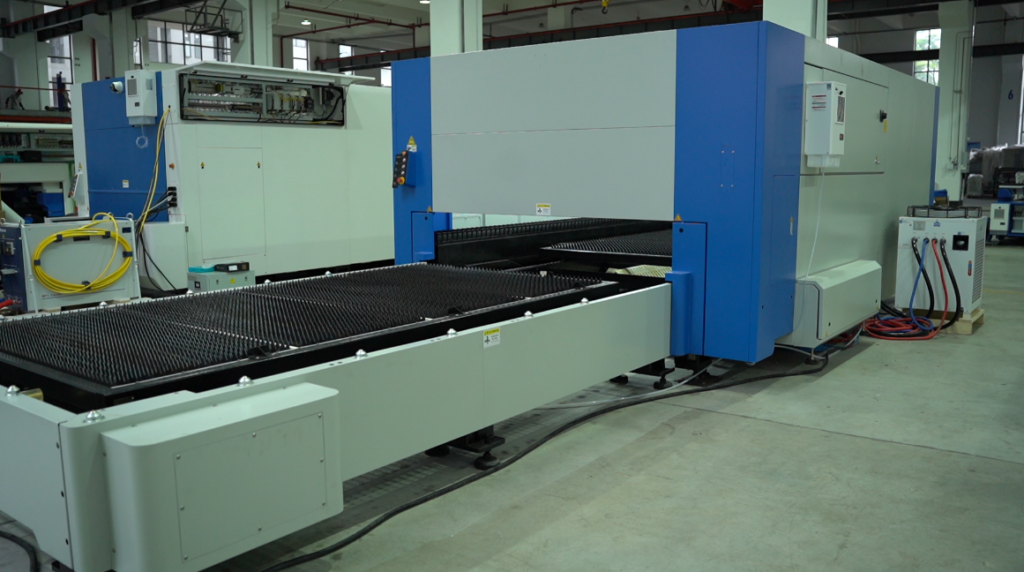
Raycus Fiber Laser Technologies (Wuhan, China) is one of the world’s largest suppliers of fiber laser sources. Integration of Raycus into the SH-H machine lets Baison offer some peculiar advantages to customers looking into smart solutions.
How Does Raycus Help with Elevator Manufacturing?
- Stable Power Output: Continuous-wave fiber lasers maintain a consistent energy supply to resolve defect-causing fluctuations.
- High Beam Quality: Superior beam quality (M² < 1.3) means fine, burr-free, and steady cuts.
- Wide Power Range: Multiple options mark flexibility, letting you handle thin decorative panels as well as thick structural components.
- Long Service Life: Raycus lasers can serve 100K+ operating hours for a low maintenance cost.
Elevator manufacturers in Shanghai reduced thermal deformation-related defects by 25% with Raycus. German factories have integrated Raycus lasers with Industry 4.0 platforms. It helped them boost the material utilization rates with a significant reduction in waste.
- Fully Enclosed Protective Structure
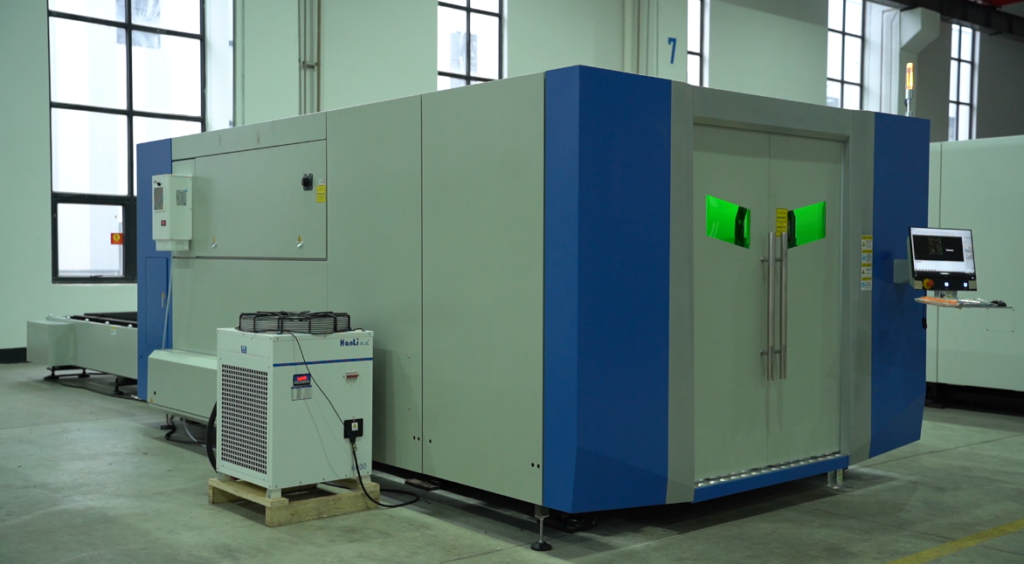
The fully enclosed structure of Baison SH-H Laser grants safety, compliance, and efficiency. It isolates the laser cutting process, preventing potential exposure to harmful radiation, fumes, and debris. Your elevator manufacturing remains safe against the fine particles and intense light.
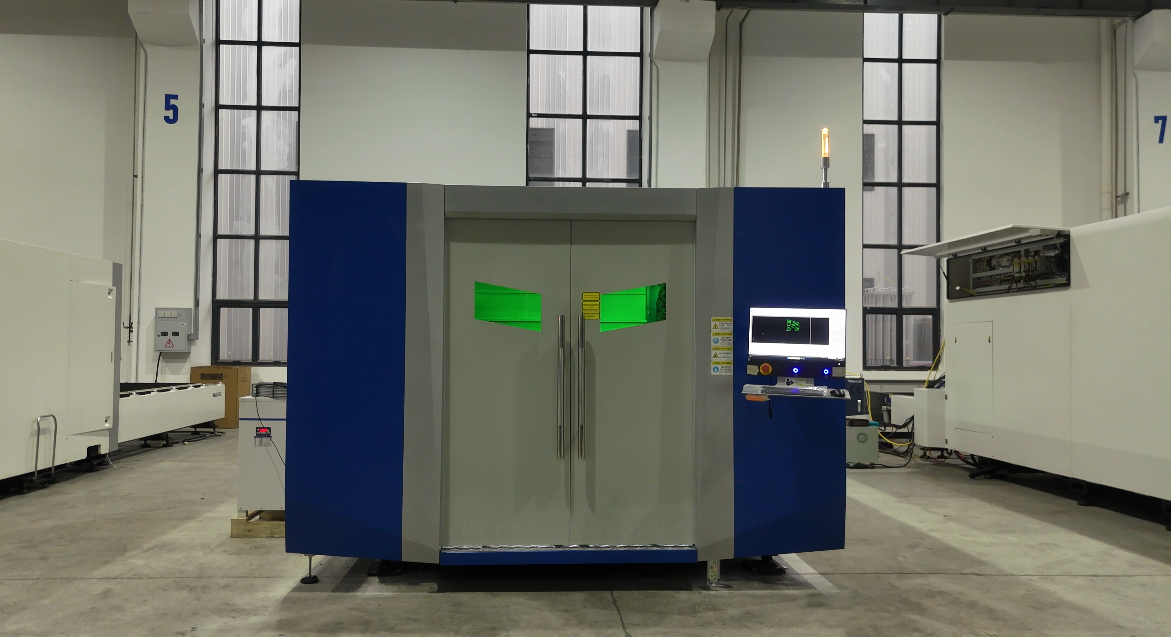
Notable Benefits of the Fully Enclosed Protective Structure
- Operator Safety: It shields your previous workers from direct laser radiation and flying debris.
- Dust and Fume Control: Integrated filtration systems easily capture metal dust and fumes to retain the air quality.
- Compliance: It also meets international safety regulations (CE certification in Europe and ANSI laser safety standards) in the US.
- Noise Reduction: Enclosure dampens cutting noise for a safer and more comfortable work environment.
- Precision Retention: Stable enclosure prohibits external vibrations + airflow interference for consistent cutting quality.
Enclosed laser systems can minimize harmful particle exposure by up to 95%. Filtration in enclosed structures lowers airborne particulate matter to below 1 mg/m³. It also cuts noise levels by 10–15 dB, improving compliance with OSHA workplace noise limits.
Conclusion
SH-H isn’t a “faster and more precise laser cutting machine” only; it’s a key piece of equipment to help elevator enterprises reshape production processes. You can further achieve manufacturing upgrades to gain competitive advantage in the market. Baison Laser effectively empowers intelligent elevator brands with technology. And you’re set with a future of efficient, high-quality, and green production.
SH-H High-Speed Laser Machine Specs & FAQs (Q&A)
- Why is precision critical in elevator components?
Elevator guide rails and cabin structures demand tolerances within ±0.05 mm for safety. SH-H’s Raycus-powered core configuration provides stable precision to reduce rework.
- How fast is the cutting speed of the SH-H machine?
The cutting speeds go up to 120–150 m/min, depending on material thickness. Its high-speed servo motors and AI-driven trajectory keep the cutting smooth, even at maximum speed.
- What materials can the SH-H laser machine cut?
The SH-H cuts stainless steel, carbon steel, aluminum, galvanized sheets, brass, and composite materials. Its intelligent power adjustment creates burr-free edges across varying thicknesses.
- What safety features does the SH-H laser machine include?
The fully enclosed structure also has anti-radiation glass, dust filtration, and noise reduction. The details meet CE and ANSI safety standards for operator protection and clean workshop environments.
Time to Push Your Elevator Business with the SH-H from BAISON LASER
Huibaisheng SH-H laser machine at Baison Laser is precise, effective, and secure from the core. You may need a breakthrough to elevate your elevator business. Let SH-H ease the task with intelligent features from the front. Contact us now, and our teams will respond as soon as possible regarding your needs.