What is Laser Cutting?
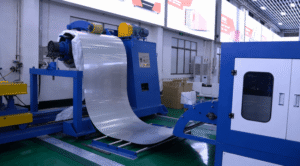
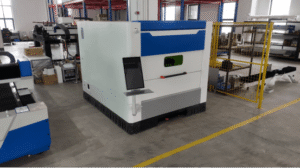
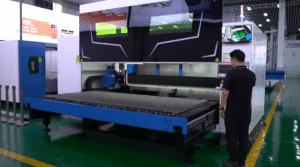
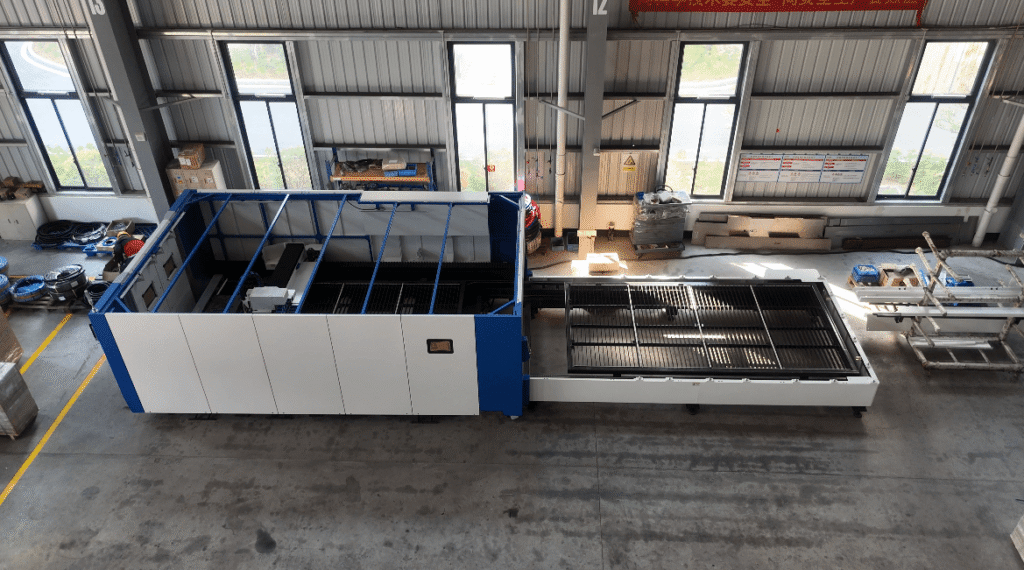
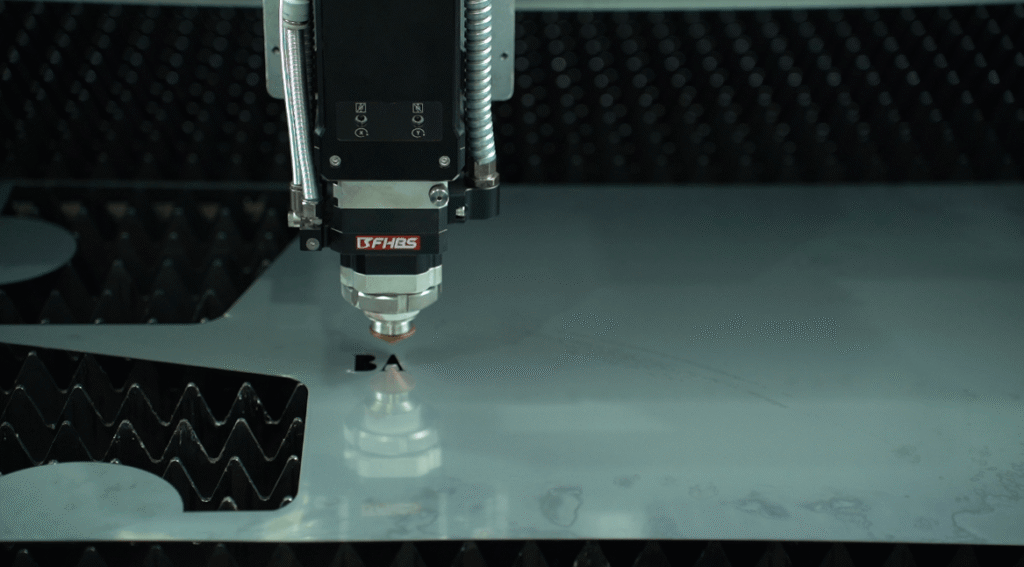
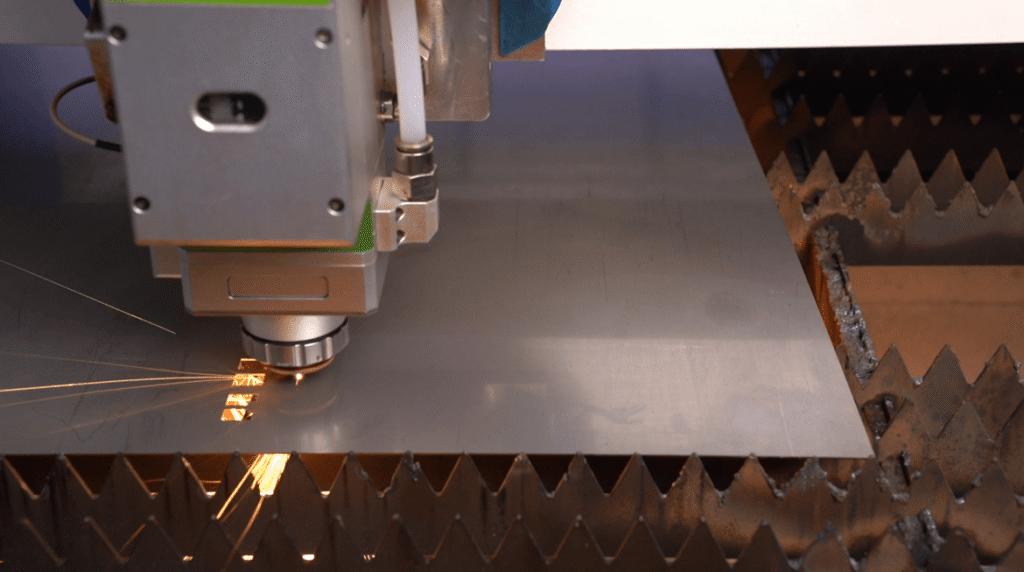
Laser cutting is a manufacturing process that uses a laser to cut materials, usually by melting them. Laser cutting works by directing the output of a high-power laser beam at the material to be cut. The focused laser beam melts or vaporizes the material, causing it to break away from the surrounding area. The beam is guided along the desired path by using mirrors and lenses.
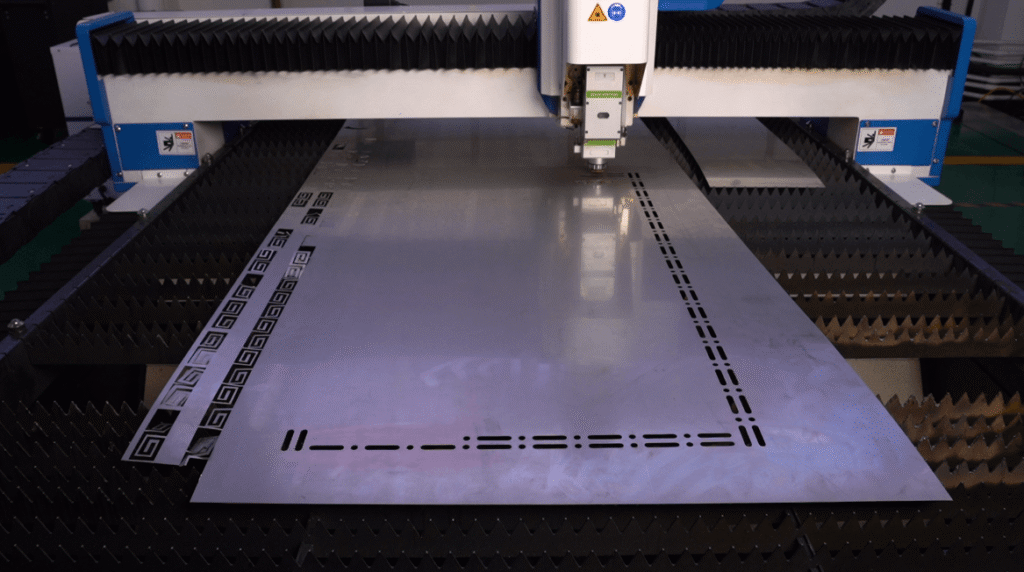
In factory testing, Baison completed a complex cutting path of 148,793.43 mm in just 25.33 minutes, reducing processing time by 35.6% compared to standard machines.
Combined with a standard secondary gas filtration system and an independent climate-controlled electrical cabinet, the machine completely eliminates the pain points of lens burn-through caused by gas impurities and electrical fluctuations during heavy-load operation.
Furthermore, to achieve the ideal balance between gas costs and dross-free edge performance using nitrogen anti-oxidation vs. oxygen-assisted cutting across various sheet thicknesses, Baison has established a comprehensive cut-edge comparison dataset for various stainless steel and carbon steel grades, fully available for sample trial cutting reference.
Applications of Laser Cutting
Laser cutting can melt and shape metals from mild to stainless steel and non-ferrous metals. This cutting technique is best suited for non-reflective materials. However, fiber lasers can be used with reflective metals such as silver and aluminum. Laser cutters are widely used in the automotive and aerospace industry. Thanks to programming and automation, this system allows for the bulk production of metal parts.
Lasers offer fast cutting while maintaining quality and accuracy. This cutting process is, therefore, suitable for the medical industry, where speed and tight dimensional tolerances are critical. It is used when manufacturing various medical equipment and even components for surgical implants.
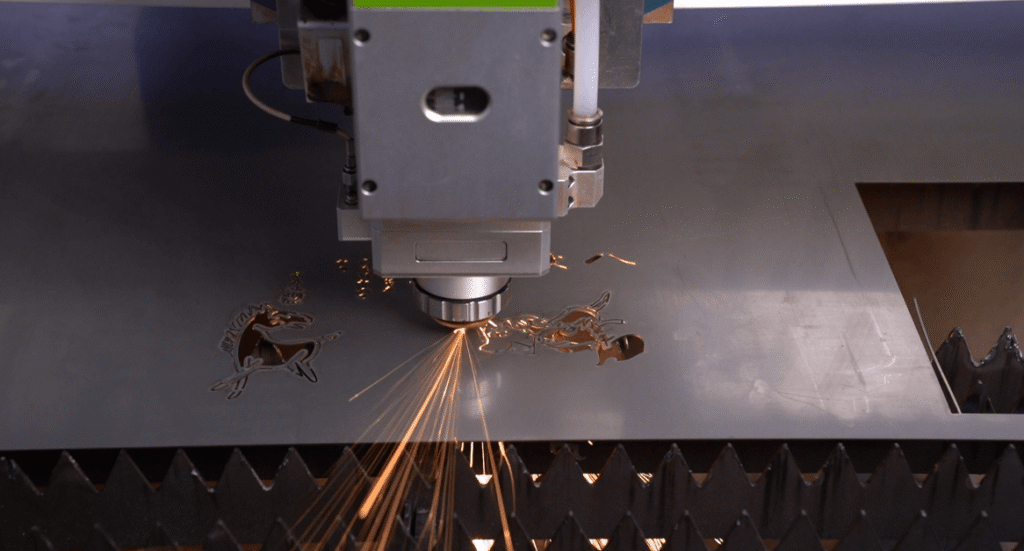
Lasers have been a game-changer in the world of engraving and marking. Thanks to their pinpoint accuracy, detailed etching that would otherwise take hours can now be completed quickly. This technology is, therefore, a great choice when making metal signs, jewelry, or logos.
Silicon is a critical component in various electronics, solid-state semiconductors, and much more. Lasers are one of the primary methods of cutting this indispensable material.
In industrial manufacturing and sheet metal fabrication, accurately understanding the application differences between Electrical Discharge Machining (EDM) and laser cutting is key to boosting production efficiency: EDM mainly targets the micro-shaping of ultra-high hardness metals or deep holes in complex molds, while industrial kilowatt- and ten-kilowatt-class fiber laser cutting focuses on high-speed precision cutting of medium-to-large metal sheets.
Unlike the ultrafast/UV micro-nano lasers relied upon for semiconductor silicon wafers or micro-carved jewelry, industrial fiber laser cutting leverages kilowatt-level high energy density and superior dynamic response to demonstrate unmatched cutting speeds and burr-free edge quality in typical medium-to-thick plate processing, such as 12 mm carbon steel (oxygen-assisted) and 20 mm stainless steel (high-pressure nitrogen anti-oxidation).
Taking Baison high-power fiber laser equipment as an example, combining an aviation-grade aluminum gantry with 1.5G dynamic acceleration—along with a standard secondary gas filtration system and an independent climate-controlled electrical cabinet—ensures stable output during continuous heavy-load operations, fully empowering core manufacturing sectors such as sheet metal enclosures, heavy machinery, automotive parts, and steel structures.
What is EDM Cutting?
Also known as spark machining, Electrical Discharge Machining (EDM) is a metal fabrication technique that uses electrical discharges to cut materials.
A wire EDM machine features two electrodes; the tool electrode and the workpiece. The electrode is made from brass, copper, graphite, or other conductive materials. Inside the machine, the wire electrode has an electrical charge opposite the workpieces. Sparks are created as the electrode gets closer to the workpiece, and the heat will melt the material.
The dielectric fluid, or coolant, is another critical component of the wire EDM process. It acts as a flushing agent and removes the eroded debris from the spark gap area.
Applications of Wire Electrical Discharge Machining
Wire-cut EDM is cost-effective when it comes to small-volume production. This makes it an excellent choice for prototype production. This cutting technology is also utilized in the aerospace, automotive, and electronics industries when the number of parts required is low.
With EDM systems, you can create highly detailed products with intricate designs. Jewelers will therefore use this machining process to create elaborate pieces.
Wire EDM is suited to cutting thicker materials and thinner metal sheets. Whether cutting thick steel or relatively soft copper, this precision technique will deliver a pristine surface finish.
In industrial complex mold and high-hardness metal processing, a deep understanding of the division of labor between Electrical Discharge Machining (EDM) and laser cutting is essential:
Based on the principle of electrical pulse discharge erosion, EDM is unrestricted by material hardness. It executes cutting without mechanical force impact using brass wire (slow-feeding high-precision wire EDM) or molybdenum wire (fast-feeding economical wire EDM). Not only can it easily tackle ultra-thick alloys over 200 mm and micro-narrow slots, but it also achieves a burr-free mirror finish with surface roughness as low as Ra 0.2–0.4 µm.
Compared to the extreme speed of high-power fiber laser cutting on medium-to-thick sheet metal, EDM demonstrates irreplaceable process value in forming complex 3D cavities and high-precision contoured parts from challenging materials such as hardened tool steel and cemented carbide.
Comparison of Laser Cutting and Wire EDM Cutting
Taking these basic concepts as a background, let’s compare these two precision cutting techniques more comprehensively now.
Process of Operation
Laser cutters use an intensely focused beam of light. These high-power lasers provide heat, melting away the unwanted workpiece material.
Conversely, wire EDMs use a super-thin, electrically charged wire to remove material and achieve the desired shape. This is a no-contact process, but the charge on the wire is high enough that it creates sparks melting the material being cut.
Material
Laser technology is best suited for cutting thinner materials. It applies to many metals, including stainless steel, aluminum, gold, and silver. This process can also cut silicone, wood, plastic, and acrylic materials.
A wire EDM system relies on electricity to cut through materials. Therefore, this cutting technology is limited to metals and alloys since the workpiece needs to be conductive. Wire EDMs are the ideal solution for cutting thick metals.
Tolerances
A laser cutter can achieve tolerances of up to 0.001 inches or 0.05 millimeters when cutting thinner materials. The cutting accuracy is lower for thicker parts.
Compared to the other cutting methods, the EDM process is ultra-precise. It can achieve accuracy in the 0.0001-inch range. A wire EDM system is preferable for projects that require tight tolerances.
In precision metal processing, EDM and laser cutting display distinct technical characteristics and application boundaries in tolerance and precision control:
Slow-feeding wire EDM relies on the principle of force-free spark discharge to achieve ultra-high precision of up to ±0.0025 mm in fine mold and thin plate processing, with an extremely small heat-affected zone (HAZ) along the kerf; however, when processing ultra-thick plates (>20 mm), it is susceptible to perpendicularity degradation caused by discharge gaps and wire deflection.
In contrast, high-power fiber laser cutting reliably maintains engineering tolerances within ±0.05 mm when cutting thin-to-medium sheets (<3 mm), effectively suppressing HAZ and thermal deformation through rapid cooling via high-pressure gas (nitrogen/air) and high-dynamic response algorithms.
Under rigorous factory quality inspection using Coordinate Measuring Machines (CMM), EDM focuses on micron-level ultra-high precision molds, while fiber laser cutting—with its high efficiency and consistent tolerance control—remains the primary choice for industrial sheet metal and plate fabrication.
Cutting Speed
Laser cutters are pretty fast. This cutting process can provide volume without sacrificing quality, making it the better choice for mass manufacturing.
The Wire EDM system is much slower. Therefore, it is not suitable for bulk production.
FAQs
Q1: Which industries are EDM and laser cutting best suited for?
A: EDM is ideal for high-hardness precision molds and ultra-fine micro-holes; laser cutting is suited for batch blanking of sheet metal enclosures, automotive parts, and heavy machinery components.
Q2: How should you choose between EDM and laser cutting?
A: Choose EDM when pursuing micron-level tolerances and ultra-thick workpieces; select fiber lasers for high efficiency, low cost, and fast cutting of thin-to-medium plates.
Q3: What are common mistakes when choosing between EDM and laser cutting?
A: Mistakenly using EDM for high-volume sheet metal or using fiber lasers for ultra-fine micro-holes, which causes production costs to skyrocket.
Q4: What cost advantages does laser cutting offer over EDM?
A: Laser cutting eliminates consumables like electrode wire and dielectric fluid, operates several times faster, and significantly reduces per-part processing costs.
Q5: How to ensure perfect cutting results across different metal materials?
A: Standard materials can be processed directly using preset parameters, but process parameters for certain special steels require fine-tuning based on operating conditions, [Click for Custom Solution].
Other Cutting Methods
Other methods commonly used in splitting materials are waterjet and plasma cutting. Each of these processes comes with its benefits and applications.
Plasma cutting uses heat from a high-temperature plasma arc to melt an electrically conductive workpiece. This process can achieve tolerances in the 0.03-inch range.
Conversely, waterjets can cut metals and non-metals using a high-pressure water flow-carrying abrasive garnet.
Laser Cutting Services from Baison Laser
If you’re looking to take your business and production quality to the next level, a laser cutting system would be an excellent addition to your organization. Baison Laser is the perfect partner to help you maximize productivity.
We are a one-stop shop for all your laser cutting requirements. Our professional team is on hand to guide you through every step – from providing a thorough technical guide to installing and maintaining your laser system. Contact us today to find out more about our laser-cutting solutions.